The eyes of a revolution and the stories behind them
Our Stories
We have asked for people to share with us their stories, the way that they would like for them to be told.
Mohammad Hossein Erfan



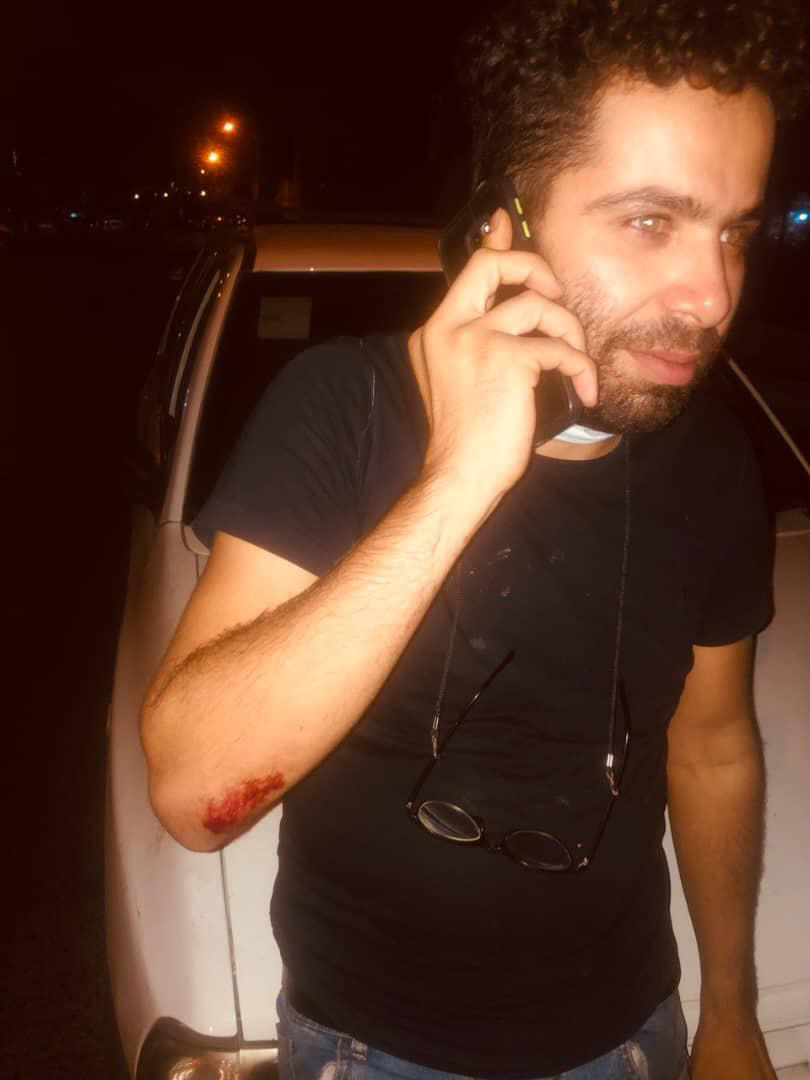
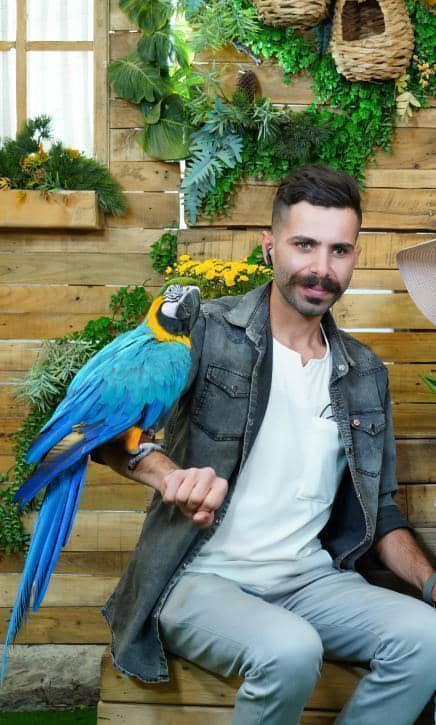

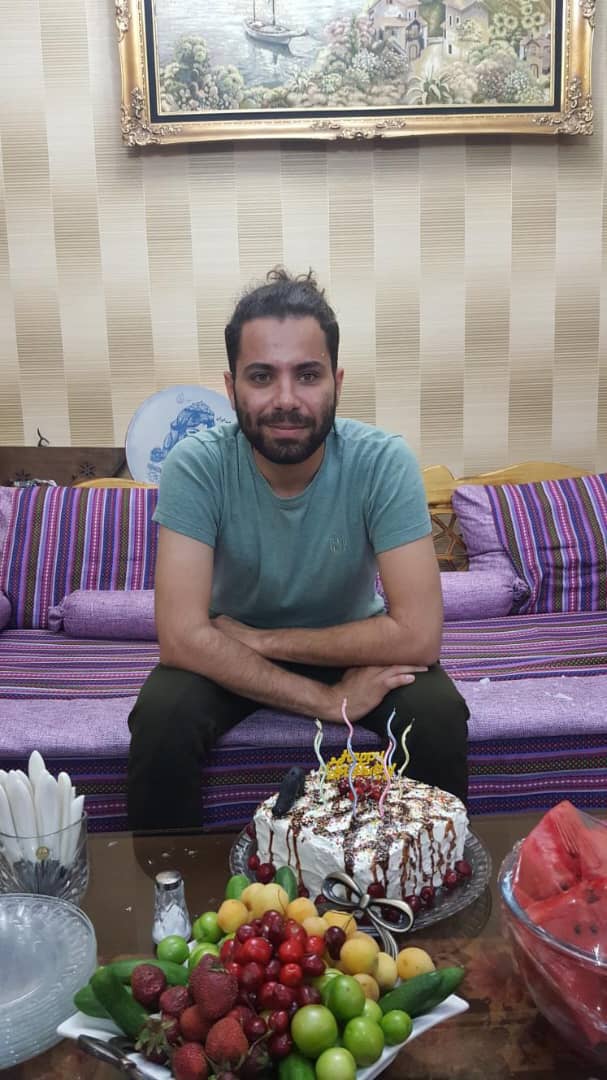
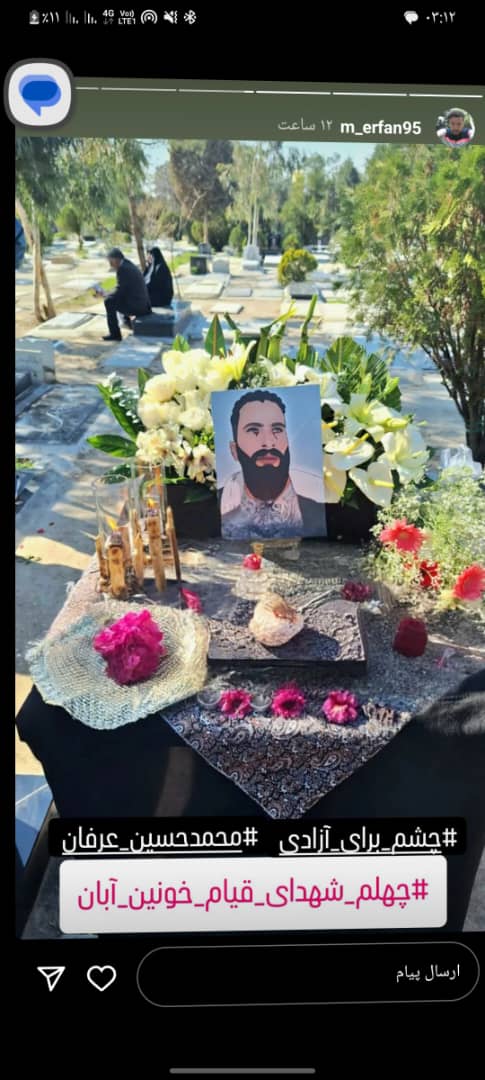
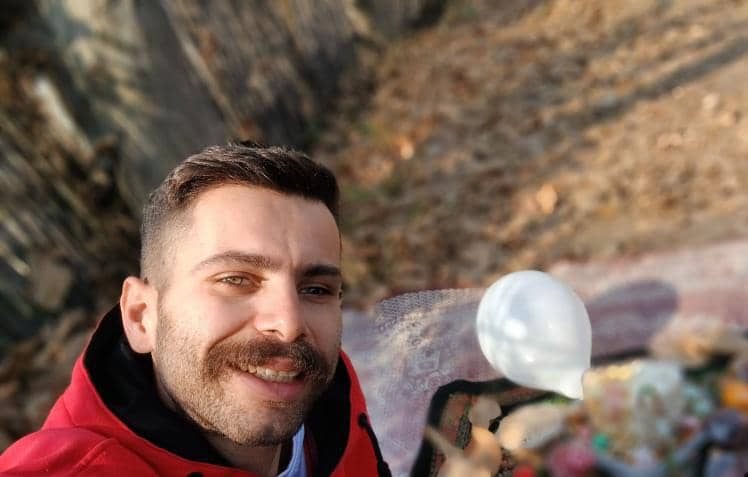
Mohammad Hossein Efran
In the telling of Mohammad’s story, first we wanted to make one thing clear. Mohammad should have been here to tell us his story. He should have been able to recount from his perspective, what happened to him, and how it impacted his life and his world perspective.
But he couldn’t. He couldn’t because the injustice that Mohammad faced ended his life. Mohammad’s death was preventable. Mohammad should have been here to tell us his story.
“He didn’t deserve this”
In his absence, we have tried to recount his story from what we know of him. We can only hope that we’ve done his story justice.
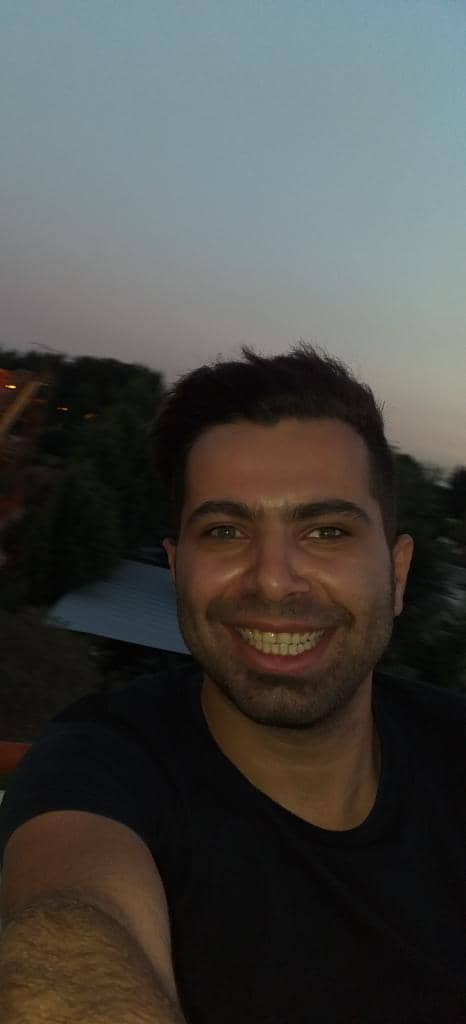
Mohammad was 24 years old when he was injured. He was studying accounting at university and was working in elevator repairs. He lead an ordinary life, working to build his dreams, he had saved money and bought a car, he had a motorbike that he loved to drive, he had also just met the love of his life.
Mohammad lead an ordinary life, but didn’t like to pretend that he was living in an ordinary world. He wouldn’t stand by when he saw injustice and anytime protests erupted, Mohammad would be on the front lines. In November of 2019, it was no different. When the price of fuel skyrocketed and people poured into the streets, Mohammad didn’t hesitate to join and stand by his people.
The November 2019 protests were met with a particularly violent response, and this was apparent to Mohammad from the first day of the protests when he had gone out. The second day, despite the fact that it had been snowing, Mohammad did not hesitate to go out into the streets.
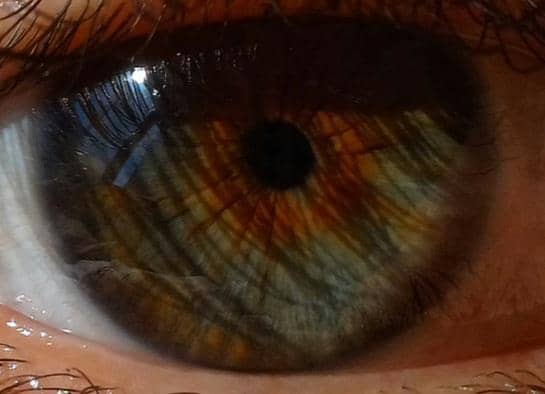
The way that he had recounted what had happened to him, he had said that he hadn’t realised at first that he had been shot. He had just felt a sharp pain and burning. The last thing he managed to see was someone grabbing his hand and pulling him away. Mohammad hadn’t realised at the time, but his face had been filled with pellets, including multiple that had penetrated both of his eyes.
The person dragging him away had pulled him to safety in the garage of a nearby house where they were able to call his family who were able to get to him and get him to safety.
Like many others injured, they had to travel from hospital to hospital before finding a place that would admit Mohammad. Many hospitals were either afraid to admit patients injured in protests, or the hospitals themselves would call authorities to come and detain injured protesters before or just after they were treated. Mohammad’s family first took him to Noor hospital which refused him admission, and then they went to Farabi hospital where they were able to receive treatment. To be treated, although he had been blinded, Mohammad had been forced to sign a document that stated that he had been stuck in riots and that it was rioters who had caused his injuries. In the room that Mohammad had been initially, there were multiple others who had suffered eye injuries in the same way. Police and guards were roaming the hospitals and looking for injured protesters. In his condition, Mohammad was forced to hide to not be taken away.
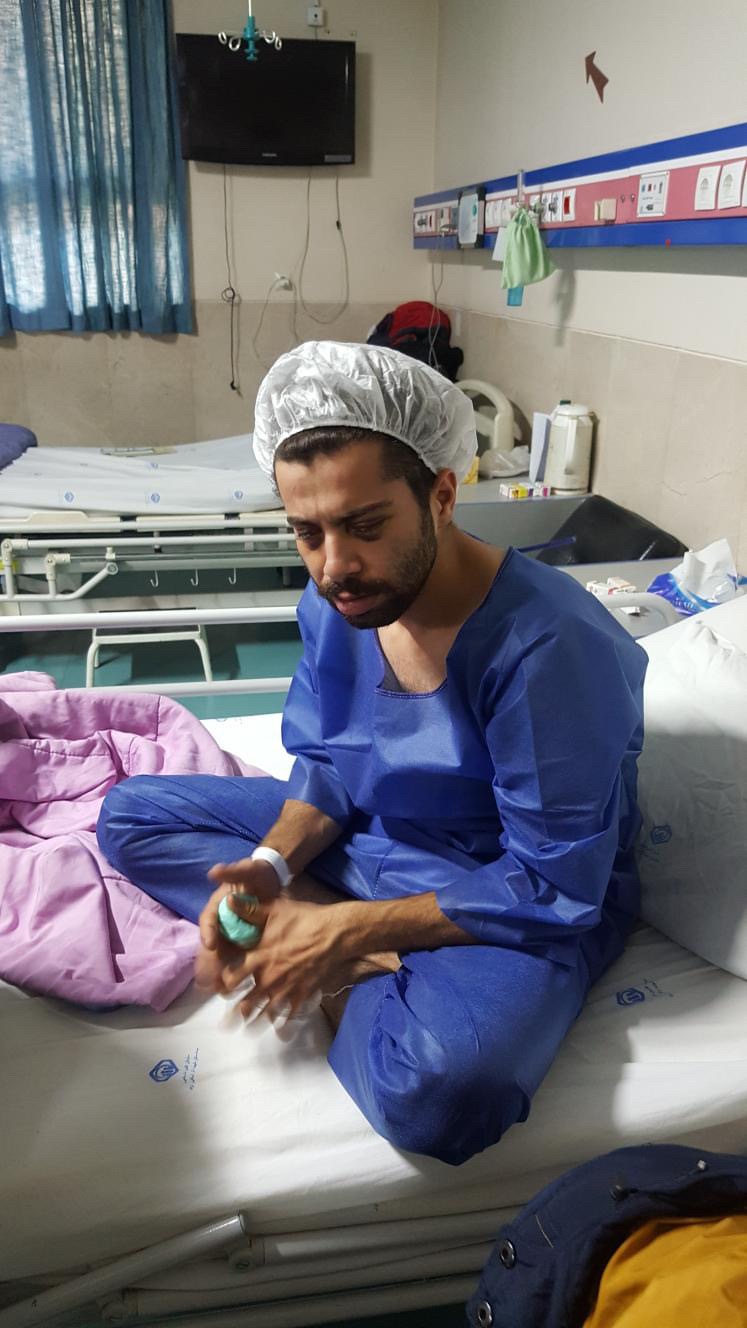
A day later, following emergency surgery, Mohammad was sitting on his hospital bed, both of his eyes covered by bandages, laughing and trying to keep his family’s mood up. He didn’t want for anyone to worry, or be upset about what had happened to him.
From the first moment that a doctor had seen him, they had told him that his left eye would never be able to see again, so the focus was on the right eye, which was operated on multiple times in an attempt to recover any usable vision.
For a few months, both of Mohammad’s eyes were bandaged, and Mohammad had fears that his family weren’t being honest with him and that he had become totally blind. In spite of this, Mohammad kept his spirits high.
“We tried to stay away from the chaos for a little while, but it felt like everything had lost its colour, it had faded. Now it feels like everything is filled with colour again, become more vivid, like it had been back then.”
Mohammad’s family wanted for him to leave Iran. They were working on finding ways that he could safely leave and potentially have better access to treatment. But Mohammad was steadfast in not wanting to go. One of his reasons for this was that he had fallen in love, he was more interested in chasing his dreams and building a life than to leave. Mohammad was filled with hope that his eyes would get better and everything would be okay.
Immediately after he was injured, Mohammad kept his focus on the positives, he would talk about how since his eyes were bandaged his sense of touch and hearing have gotten a lot better. He tried not to show how hard it was for him. He had suddenly become homebound and wasn’t able to do much.
After a while and a few surgeries, Mohammad was able to see maybe 20-30%. His vision was very limited and as a result his depth perception and balance were impacted. Mohammad loved to drive. He loved to draw. He really loved music and while his eyes had been bandaged he had bought a few instruments like a ney (Persian flute), and because he didn’t like to stay still, he had started to learn to play.
“One of his friends said that the first time he had gone out with Mohammad after the incident, they had been walking together, Mohammad walking slightly behind his friend when he bumps into an obstacle. He turns to his friend and laughing says, “I’m not like I used to be anymore, you need to look out for me.” – some things, just hearing them are filled with pain.”
It was Mohammad’s strong will and bright spirit that helped him to maintain his relationship and give hope and pride for the future he would build. As soon as his vision had stabilised and there was no more treatments to be done, Mohammad returned to work, at first, going back to the elevator business. To his disappointment, going back to work was incredibly difficult. He made multiple attempts to continue working with elevators but was having a hard time as he was struggling to be able to see enough to perform tasks effectively. He tried a few other jobs here and there where he could and was working on independent projects as well. For all of his strong will and good spirit, Mohammad was also stubborn. He would continue to try and drive and was only convinced to stop after a few accidents. He wasn’t ready to accept that there are things that he won’t be able to do anymore. Mohammad was filled with hopes for his future and wasn’t prepared to let anything get in his way.
Most of the time Mohammad didn’t let it show that he was upset about what had happened, but every year around this anniversary of the incident, his mood would change. On the 16 of November each year he would go past where it had happened to mourn what he had lost. But he wouldn’t share the pain he felt with his family. He would say:
“I don’t want for anyone to feel sorry for me or to grieve for me.”
He didn’t want to be pitied. When asked why he would go so far forward he would say that his honour is what kept him going.
“If I think that I’ve done my part, and stop fighting, everyone else will also think the same, and they would also stop fighting, and there will be nothing left. So I have to keep going.”
Anytime it got busy on the streets, he would still go out, acting on a sense of duty.
“I don’t regret any of it. But I didn’t deserve to lose my eyes.”
Even though he tried not to show it, the internal struggle that Mohammad faced was a difficult one. In the initial stages, he would have nightmares, he would have nightmares that he’s being chased, and of the moment that he was shot. He was distressed and wasn’t sleeping well. He never really came to terms with what had happened. His perspective on it changed, but he never came to terms. He and his family never lost hope that we would be able to regain his eyesight. The first pair of glasses that he was given were a source of hope, but in reality, the lenses in the glasses served as a magnifying glass. The left side was there just to balance the weight, and on the right side at most it would help Mohammad to read the writing on his phone when the font was set to its largest possible setting. It was very frustrating for him.
“Some struggles are beyond our control, no matter how hard we try. We need to come to terms with them.”
Mohammad didn’t want for what happened to him to go unanswered. He wanted to show the world what had been done to him. But he refrained so as not to endanger his family. Mohammad was always putting the needs of others ahead of his own.
This might have made him feel more isolated and alone in his pain.
Some days his loved ones would be with him when he went to the protests in 2022. No one could stop him. His bravery is unmeasurable.
“Mohammad was mourning the young people getting killed, he was mourning his eyes and he was mourning for the injustices and the oppression that the people faced.”
In 2022 Mohammad was at protests for what felt like 99 per cent of the time. On one occasion, he and his friends were cornered by riot police and beaten with batons. He returned home that day bloodied and bruised.
“I just covered my eyes.”
Mohammad was worried another hit to his eyes would leave him in complete darkness. He remained undeterred.
On the night of 22 September 2022, Mohammad witnessed an incident where another protester, Mohammad Farzi, was shot and his eye was injured. Mohammad had approached Farzi and taken a video of his condition, giving advice on where to go to seek treatment. Farzi would recall that the only thing that grounded him in that moment, bleeding and in shock, was the young man who approached him and showed him his eyes, promising him that he would be okay. He may very well have saved Farzi’s life.
“Oppression never lasts, all the injustices they’ve committed against these children will haunt them.”
Since meeting the love of his life in 2019, Mohammad had one main goal, to get married and start a life with his love. Mohammad and his partner were waiting for the right moment, to save enough money and to finish studies at university. Mohammad would talk about how he wanted to have the ceremonies for their engagement, their wedding, what colour suit to wear…
“But all the ceremonies became something else…”
“We were waiting for a moment to finally be able to breathe with ease … but it never came.”
Aside from his body having been filled with bullets and his eye sight being taken from him, Mohammad was otherwise completely healthy. He was regularly donating blood and had no issues. But in 2023 he was diagnosed with diabetes.
Mohammad, although he didn’t show it, was under a lot of pressure, this had a very serious impact on his mental health. He was under pressure from all angles, his relationship was becoming more serious, the pressures of life, the economy, societal issues, his eyes. His eyesight was continuing to deteriorate and the physical appearance of his eyes were changing too.
When a foreign object, such as a metal pellet fired from a shot gun at a close distance, perforates the retina, silicone oil is used to attempt to help reattach the retina. This oil needs to be removed after about 6 months as it expires, however, for most people with the level of injury that Mohammad had, this procedure increases the risk of repeat detachment, meaning that more vision can be lost. On the flip side of that coin, the oil remaining for longer than 6 months increases the risk of other complications, such as development of a cataract. The doctors were unwilling to take the risk and further operate on Mohammad when he still had usable vision in his eye. This added increased mental load and pressure on Mohammad who was concerned that his world would become darker and darker.
It’s unclear how he ended up diagnosed with diabetes. Some have theorised that perhaps the stresses and the eyedrops that he had to use to stabilise the pressure of his eyes had an impact, but it’s difficult to know exactly what it was.
The fact that the physical appearance of his eyes were changing was impacting Mohammad’s self-confidence. Those who were closest to him were seeing the impact. How he suddenly lost so much weight, how his behaviour had changed, how he was irritable.
Mohammad had caught a cold, a normal cold. But he was unwell and this was impacting his ability to control his blood sugar levels. He had become very unwell and his family took him to the hospital. The hospital did some testing and ruled out COVID-19 and influenza. They were told that Mohammad was unwell because of his blood sugar levels. He had been admitted to the ICU to stabilise, and it was here that the hospital discovered that Mohammad had developed a lung infection. Mohammad was in the ICU for a few days and was restless.
Once Mohammad was stabile he was moved out of the ICU but was still hospitalised for a couple of weeks after. Mohammad had high spirits and was looking forward to being discharged and getting back to his life and his plans. He wanted to hold a party to see everyone together.
“He missed being around everyone.”
His doctors were also hopeful and had indicated that he would be discharged. But nothing went to plan.
“Mohammad didn’t take with him a single drop of the blood they were so thirsty for.”
Mohammad passed away on 19 February 2024 at 1:30AM at the age of 28 years old.
He never felt regret for having fought for his future.
“I’ve never had any regrets, if I could do it all over again, I would.”
Not everyone could completely get to know Mohammad, his kind soul, how thoughtful he was, how much he loved and cared for his family, his altruism. Not everyone would be able to understand that about him.
Mohammad didn’t deserve what happened to him. From being blinded, to the struggles for how hard he fought, to his early, preventable death, he didn’t deserve what happened to him.
Mohammad was filled with hope, hope for life, hope for love. No one can put themselves in his shoes, or feel what he felt, we can try to understand what he went through, but no one will be able to fully grasp what he was going through.
“What are your eyes worth? In my country, anything pure and precious is paid for with life itself.”
– Mohammad Hossein Erfan
 Eyes for Freedom | Cheshm Baraye Azadi | چشم برای آزادی