The eyes of a revolution and the stories behind them
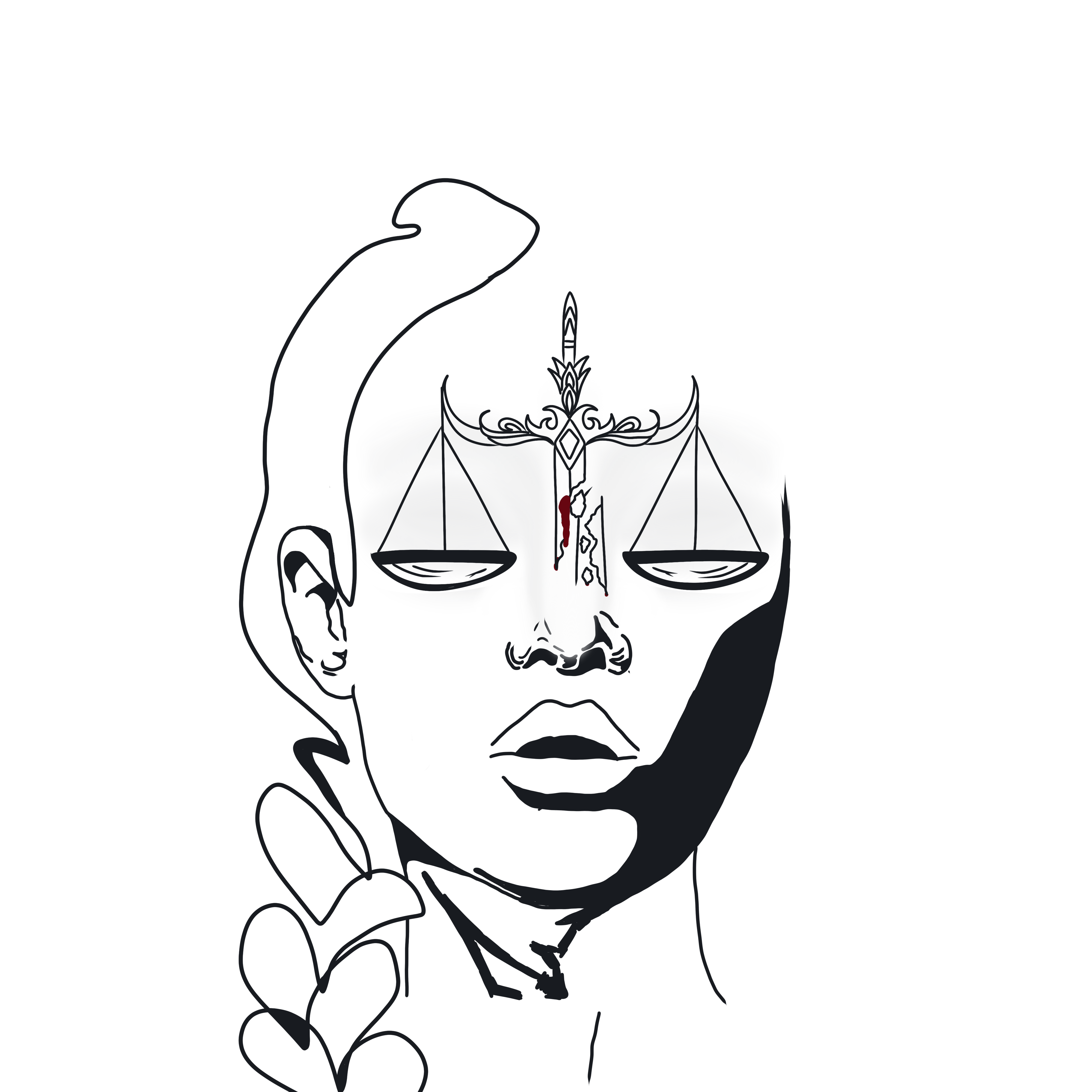
Our Stories
We have asked for people to share with us their stories, the way that they would like for them to be told.
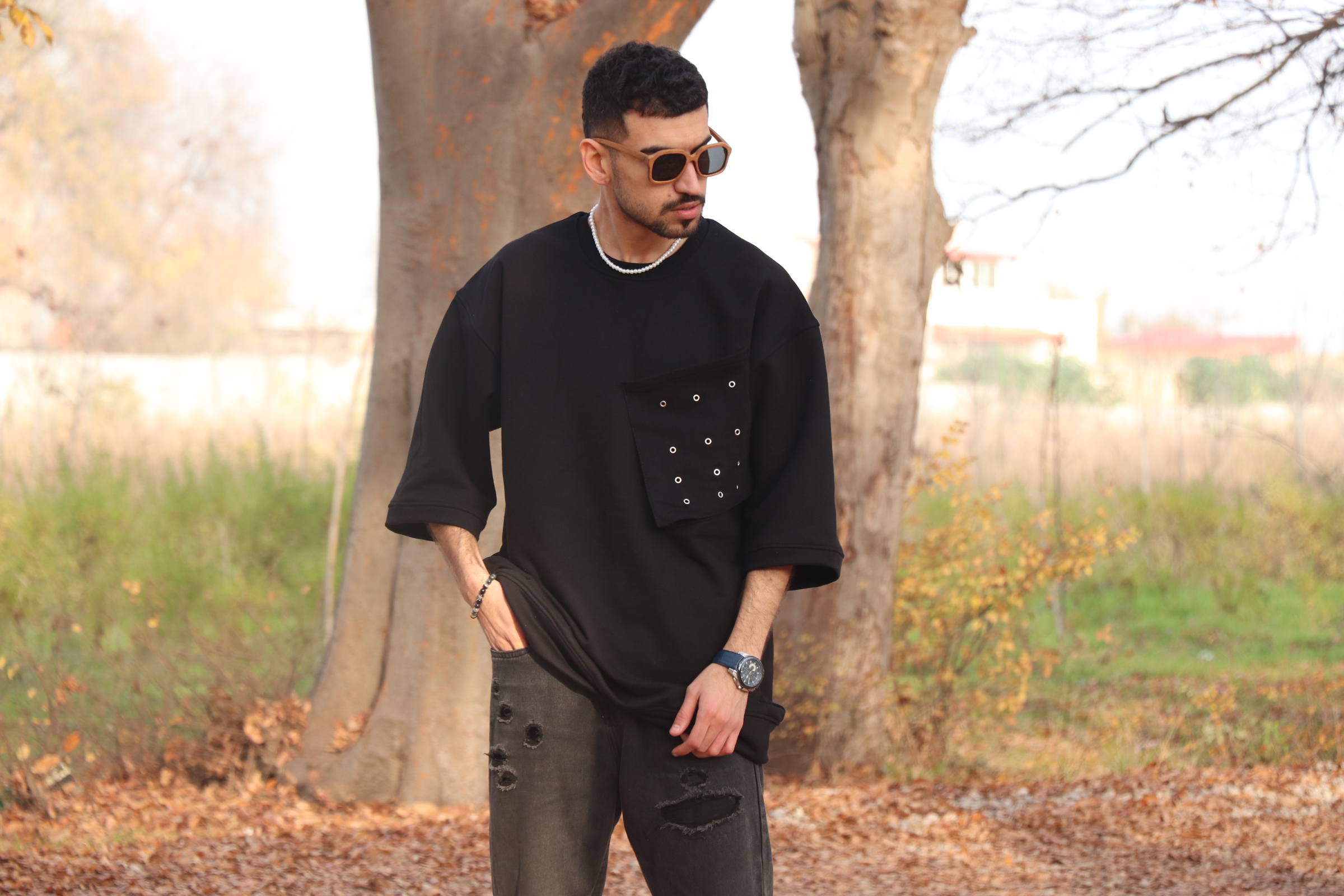
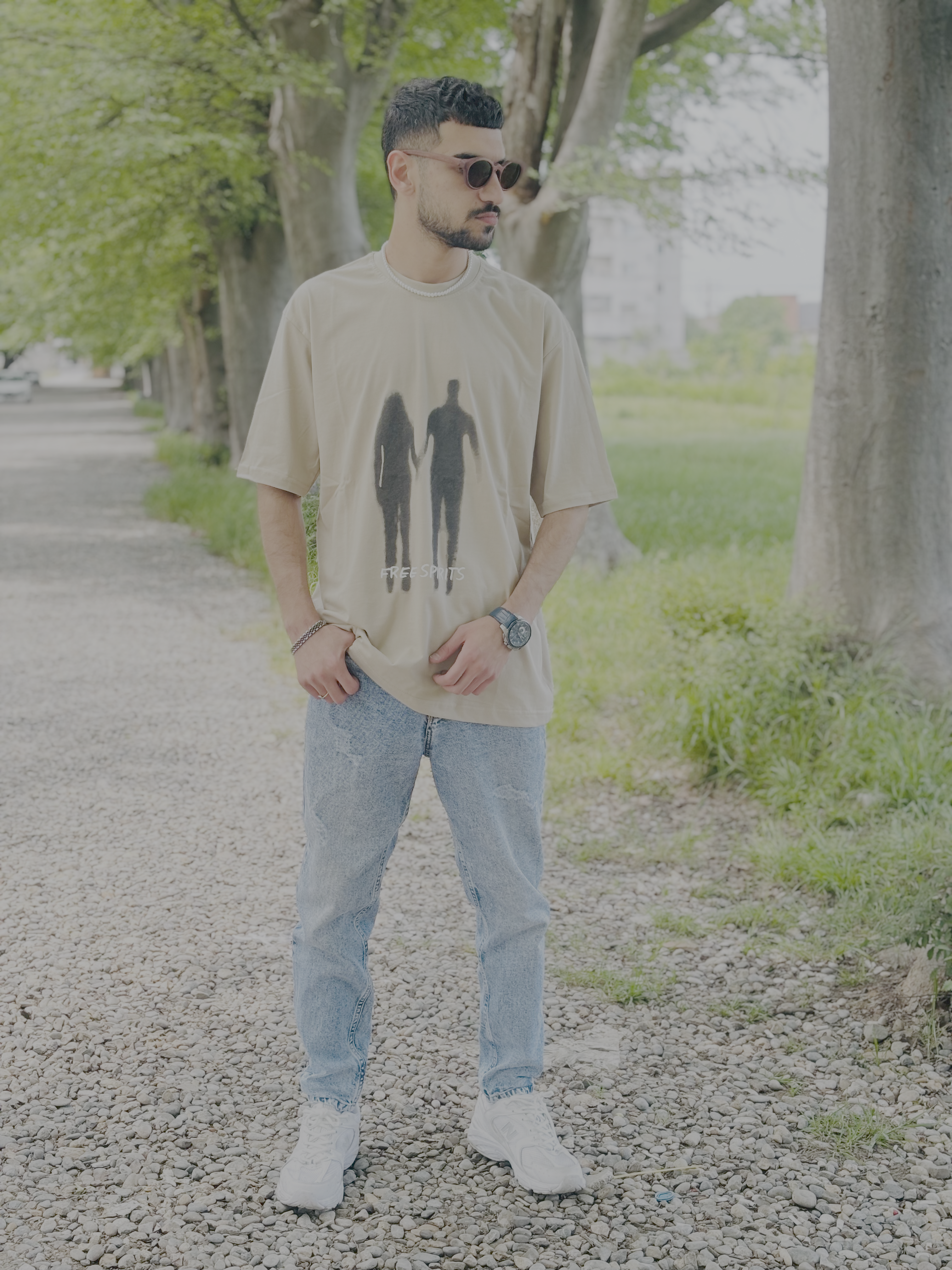
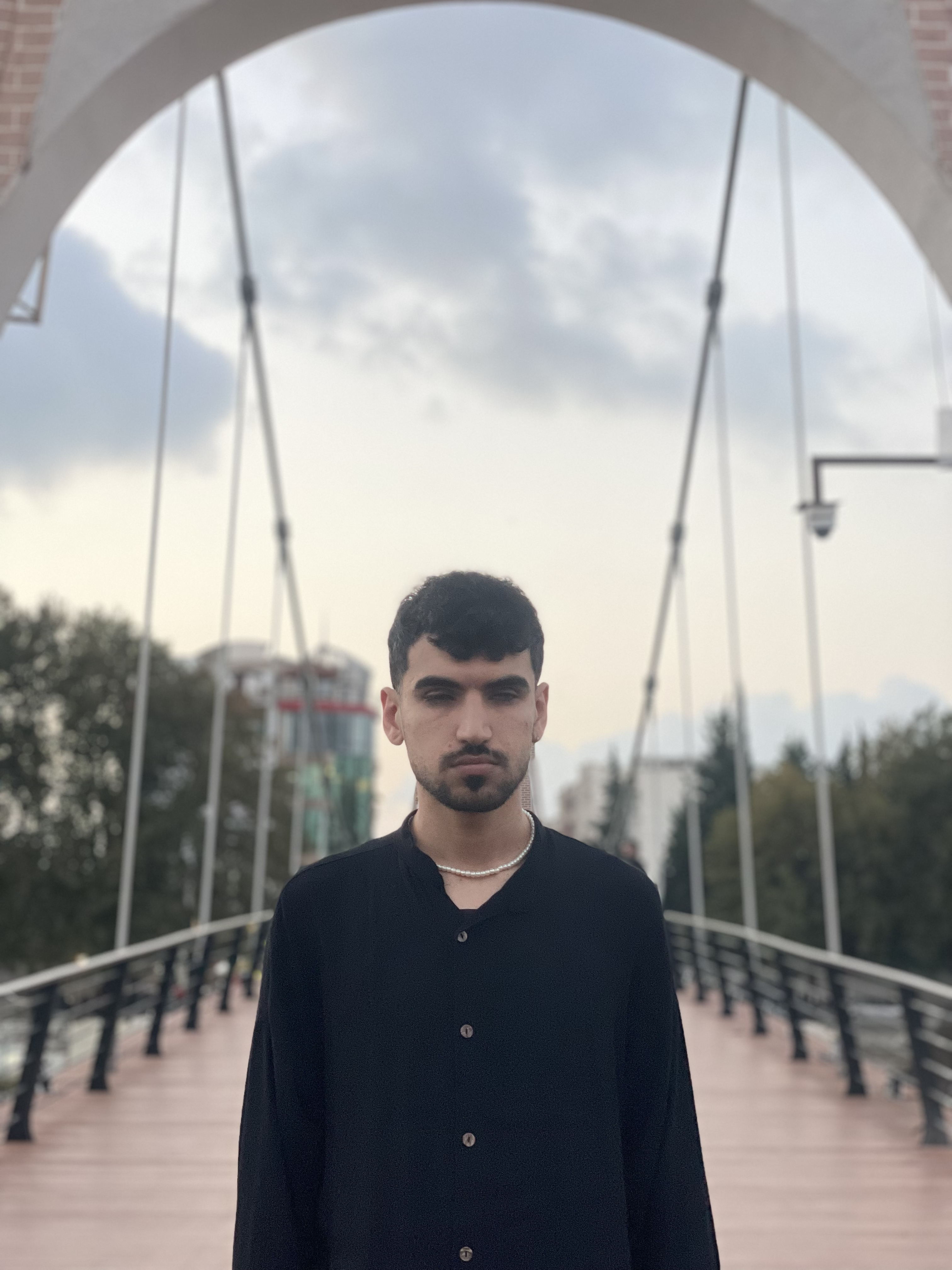
Matin Mannani



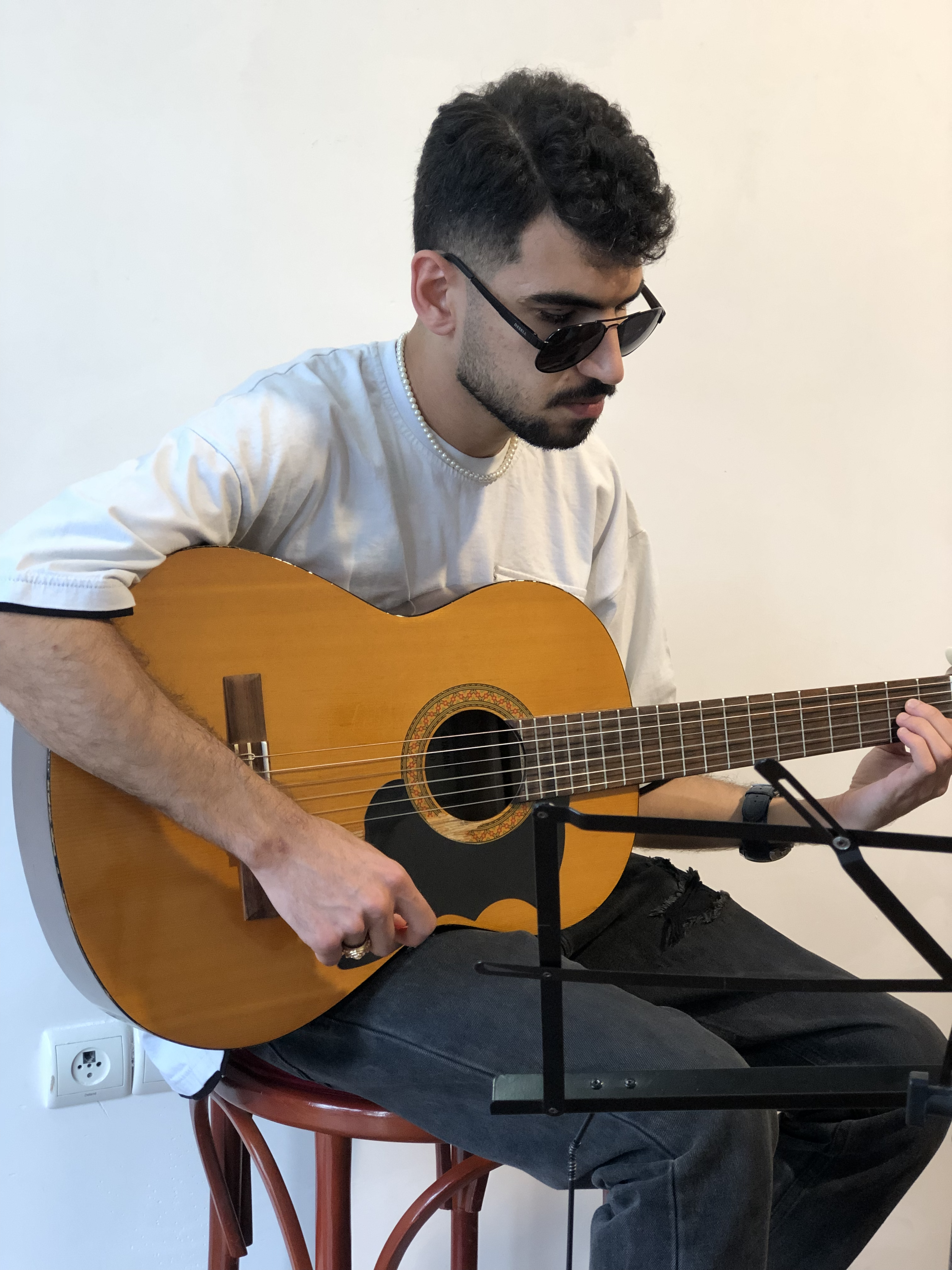
Matin Mannani
Matin, 25 years old at the time of his injury, was a computer science student in northern Iran.
“It wasn’t a perfect life, but it was a normal life.”
Matin was a typical young man, full of energy. He was working and studying, and in his spare time, he loved being outdoors and going on hikes.
“One of my biggest fears in life was getting stuck in a repetitive routine.”
Matin couldn’t stand the thought of a monotonous life. He liked to stay active, keep busy, take trips, explore, and work different jobs. He wanted his days to have variety.
He was the second child in his family. He and his older brother worked to support themselves. They faced challenges head-on, and each time they hit rock bottom, they found a way to rise again.
Matin describes his life as bright and beautiful.
“We used to laugh, we used to enjoy life. Life was full of color. Everything had its own meaning, its own depth, its own beauty. You could see that beauty with your eyes. Now, that beauty only exists in a few sounds.”
Despite life’s hardships, Matin speaks of the joy he once felt, the light he used to see, and the fulfillment he knew. He didn’t have much, but what he had was enough to make him happy.
For his future, he was studying to become a software developer. He had a keen interest in automation, artificial intelligence, and smart systems.
“At some point, people just need to speak out.”
Like many others, Matin was deeply affected by the crises unfolding in his country. Even though his life was relatively comfortable, he was aware of the struggles of others. As a young person planning his future, he understood what was at stake.
Matin saw the struggles of his neighbors. He witnessed how people had reached a breaking point, their demands ignored, their dignity disrespected. He felt that something wasn’t right, that life wasn’t meant to be this way, and that something bigger was at play. There was an overwhelming sense of anger and pain, voices that had never been heard.
“When a group of people gathers to speak out, each one of them has their own reasons, their own stories.”
Matin explains that when a crowd begins to form, it gives others the courage to join because they realize they are not alone. That’s when all the pain and injustice people have endured for years come pouring out into the streets.
Like everyone else there that night, Matin had his own reasons for being present—thousands of them.
That night, Matin and his friends gathered in a park. They sat around, discussing everything that was happening around them. They were trying to make sense of it all, talking about change and the price that had to be paid for change to take effect.
“Nothing comes without a price. Nothing just happens, not without sacrifice.”
Together, they concluded that if they wanted change, they had to actively pursue it. Sitting around and expecting things to improve on their own wasn’t an option.
So, when Matin was in the crowd, he didn’t feel fear. He felt the support of those around him. He realized he wasn’t alone.
He felt no fear, no worry about what would happen next. Instead, he felt the energy of the crowd, their power. He saw that people had traveled from other cities to join in.
“You could feel the strength in the air. You could see it in everyone’s eyes—the realization that they weren’t alone.”
It was all peaceful until the officers arrived—a group of men dressed in black, armed to the teeth.
“Plainclothes officers had been there the whole time. We knew that. But things didn’t escalate until the men in black arrived.”
The officers took a military-style formation, and vehicles and motorcycles blocked the escape routes. A tense energy rushed through the crowd.
One officer stepped forward, ordering the crowd to disperse and go home. They gave ultimatums.
“The people weren’t prepared to back down. First, they sprayed us with water cannons. When that didn’t work, a commander gave the order to open fire.”
Matin remembers officers firing tear gas canisters, not into the air, but directly at people.
“They weren’t just trying to break up the crowd. They were hitting people.”
Officers on motorbikes began driving into the crowd, causing panic. People ran, scattering in different directions. Matin realized he needed to escape.
Matin doesn’t know where the shot came from or where exactly he was hit. He just remembers the sound of gunfire and sudden darkness.
“That’s the last thing I remember—the sound of the shot.”
Matin now considers himself a different person. The life he once knew is gone. Everything has changed—how he walks, how he sees the world (both literally and figuratively), how he communicates, how he sleeps, and how he wakes up. He has had to rebuild himself from scratch.
Matin has the date of his injury tattooed on his neck. To him, it represents a second birth. A new life. Now he must ask himself what he will do with it.
“Can I rebuild what was taken from me? Can I turn it into something better? Or is this just how things will be from now on?”
Matin was ambitious. He wanted to be a programmer, build a successful career, explore nature, and eventually start a family. But everything has changed.
Now, his only focus is regaining his vision.
“Every single thing that I do now is for that purpose. To fix what was taken from me.”
Matin tells us that he doesn’t feel regret.
“That person would have fired the gun anyway. Whether or not I was there, that gun would have been fired. If not me, someone else would have been hit.”
Matin prefers that it was him, not anyone else, who has to deal with this immense pain and grief. He can’t stand the thought of it having happened to someone else that night.
“People never think it’s going to happen to them. I wouldn’t have thought in a million years that something like this would happen to me. But it did. It can happen to anyone. That’s why we have to fight.”
Matin is convinced that those officers went to the streets with the intention of shooting someone. It didn’t matter who. That’s why people need to understand that anyone can be impacted at any time. If it hadn’t been him that night, it would have been someone else’s child.
Matin has been working on regaining his independence, finding the things he is still able to do, and staying active. It’s been a difficult journey. He is learning to play the guitar, which has helped him start going out into the world again. It takes a lot of work, and the road is long, but Matin is determined to move forward and find a cure.
“I am not alone. I can still fight. I can still build something.”
– Matin Mannani
 Eyes for Freedom | Cheshm Baraye Azadi | چشم برای آزادی