The eyes of a revolution and the stories behind them
Our Stories
We have asked for people to share with us their stories, the way that they would like for them to be told.
Matin Hassani




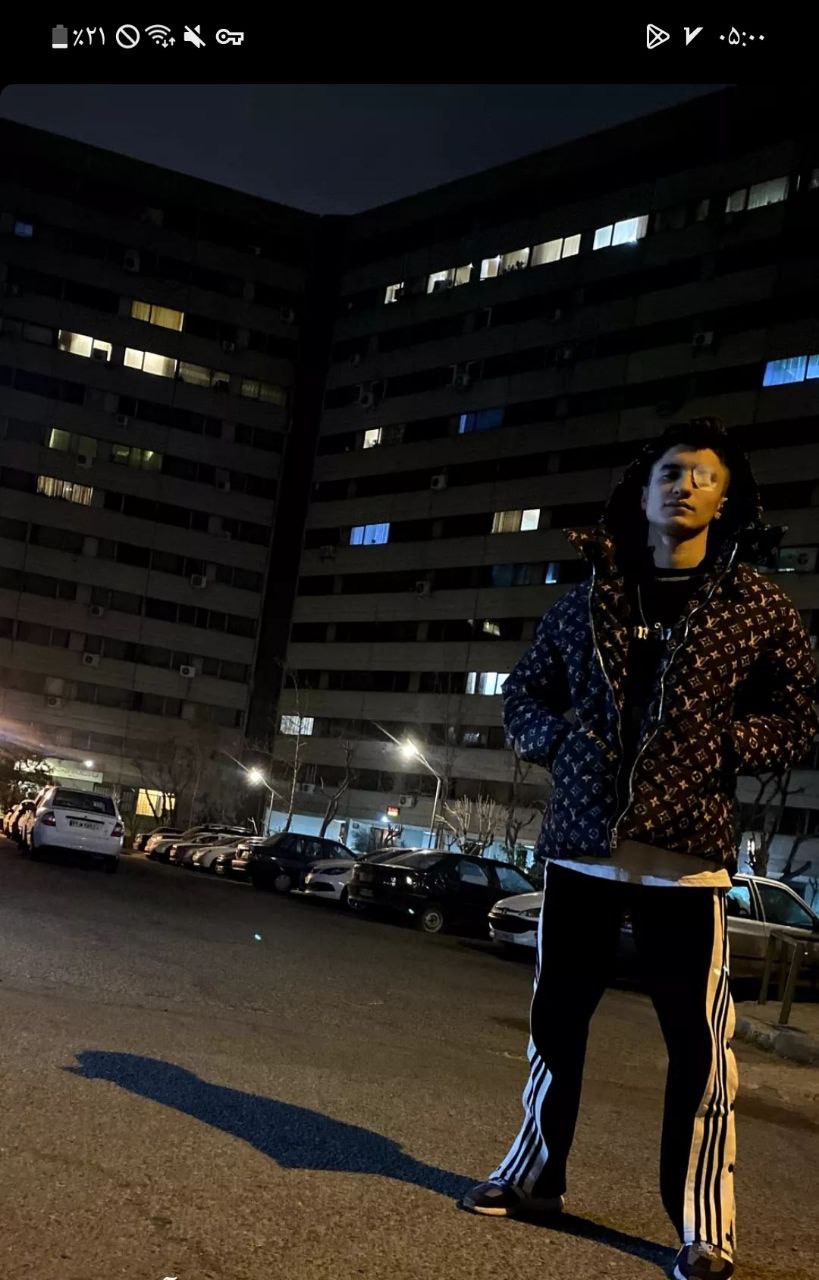
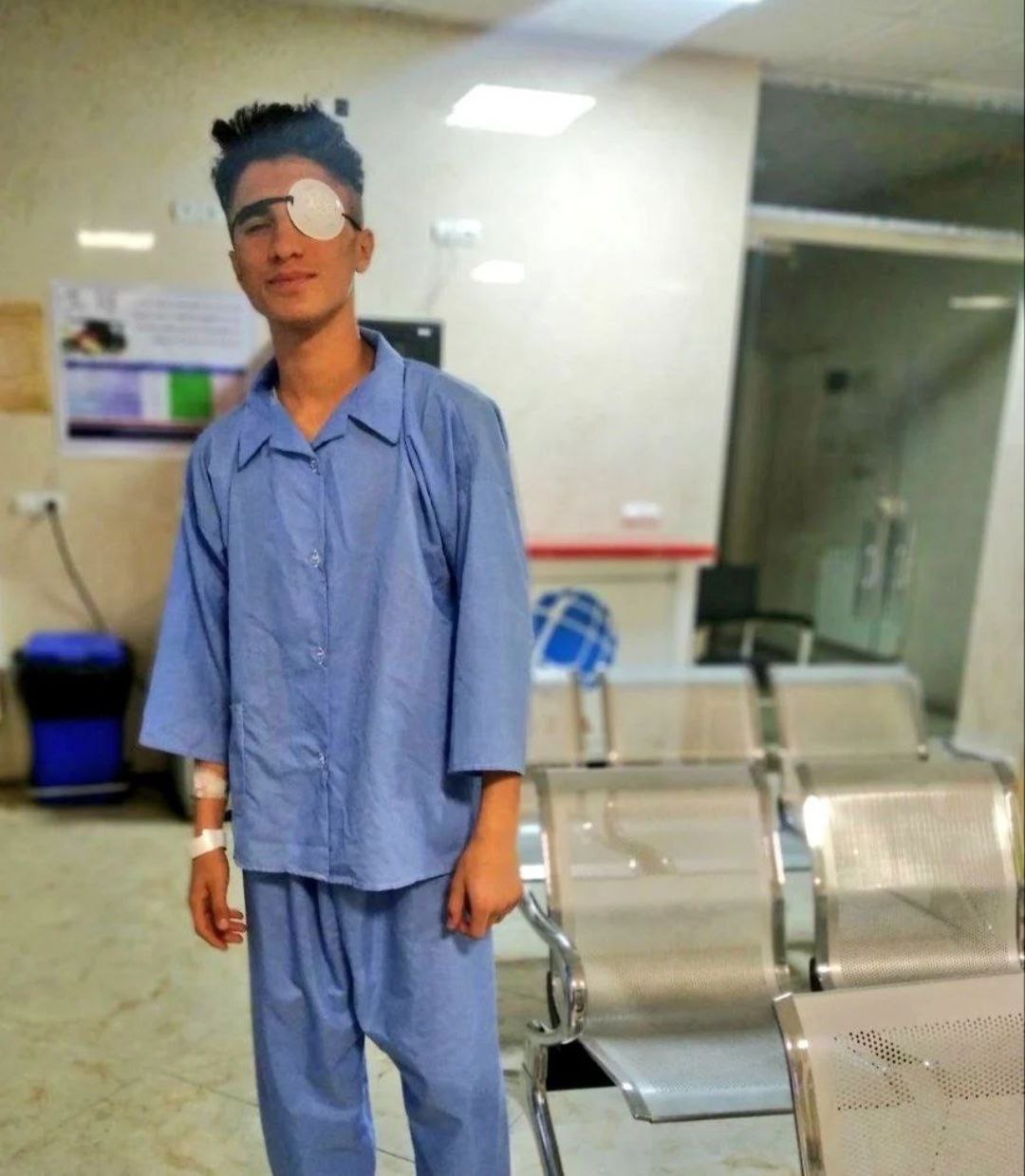

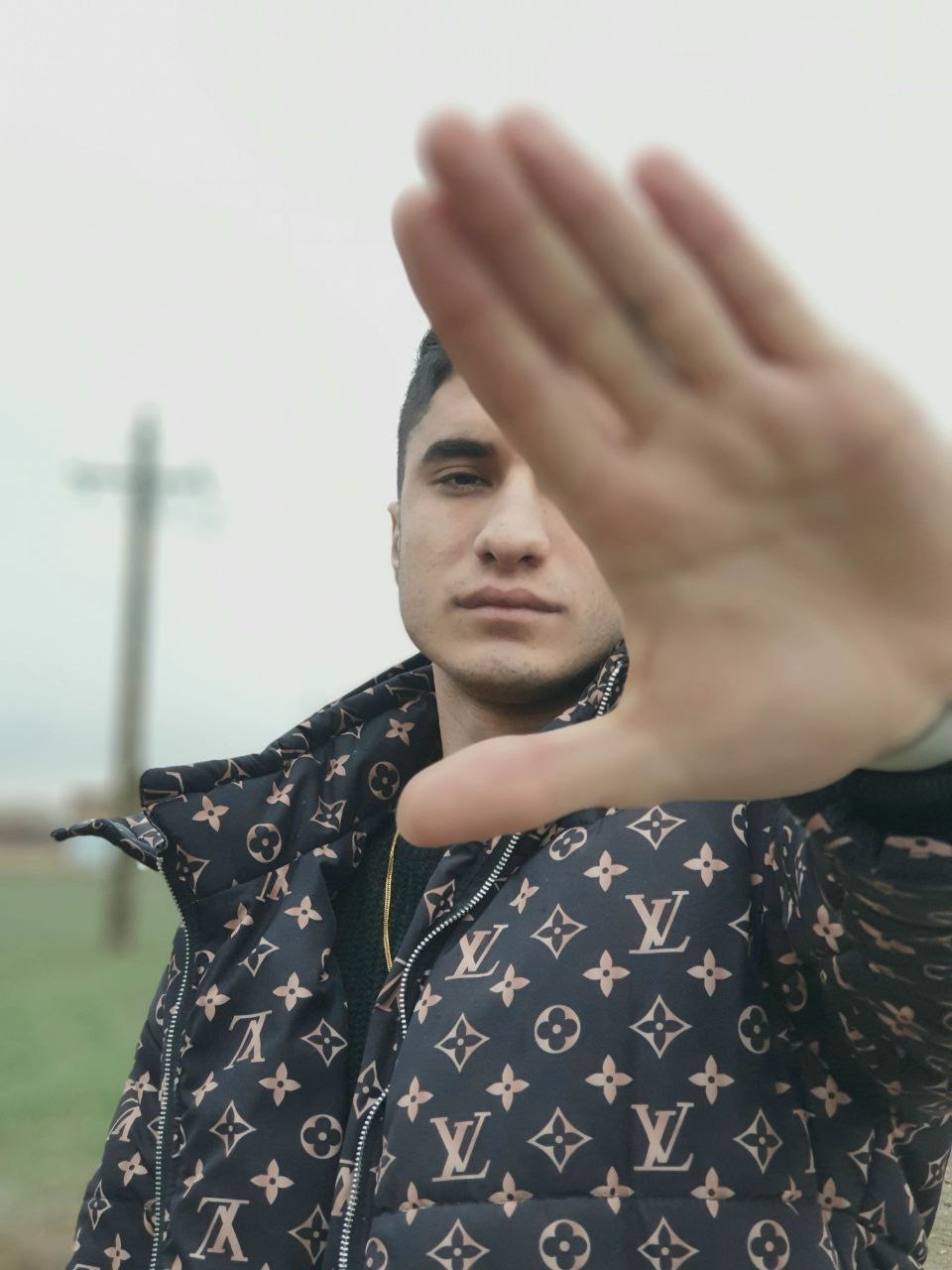
Matin Hassani
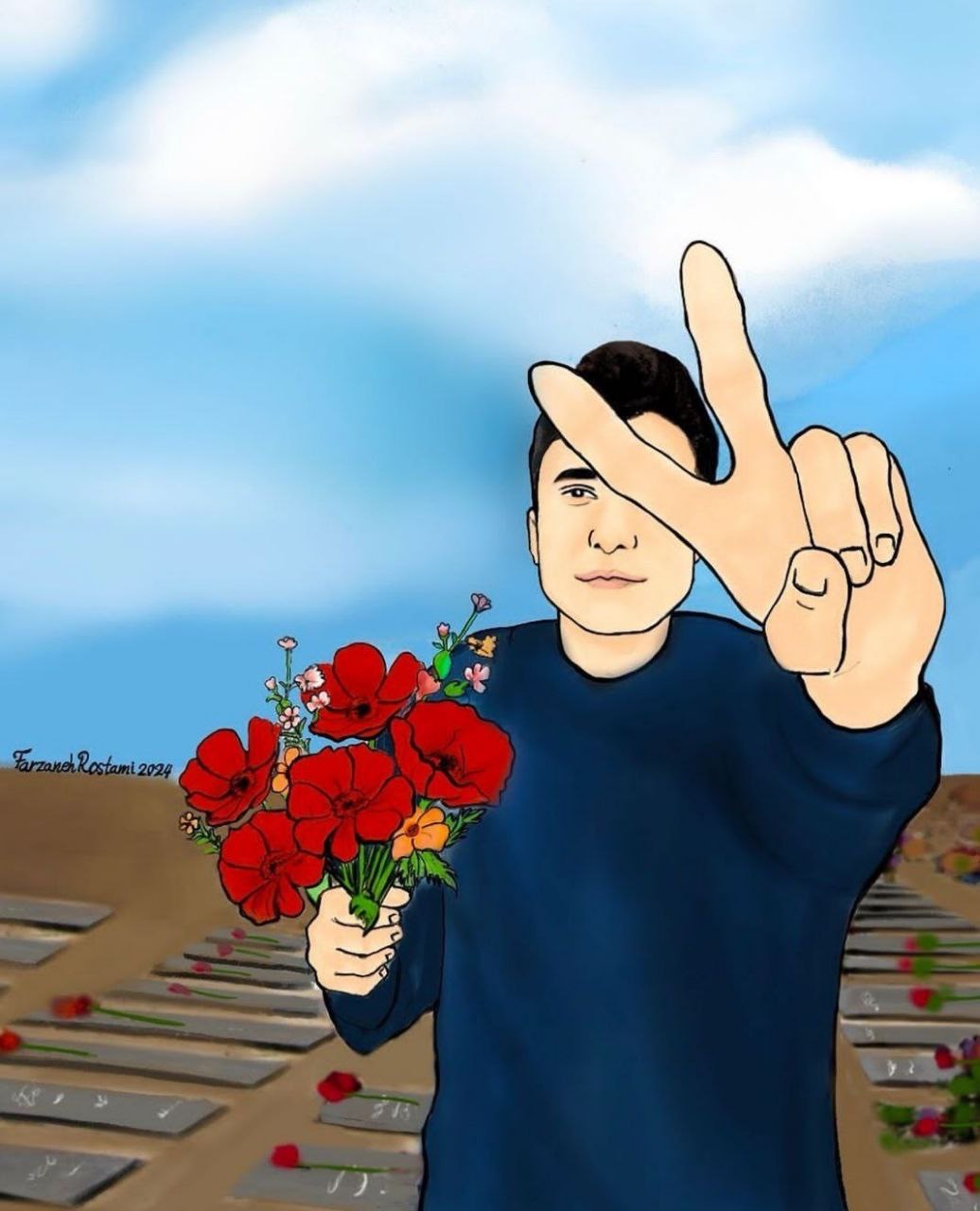
Matin Hassani had just turned 20 years old in November of 2019, he was a high school graduate, ready and excited to embark on his studies in Architecture at university.
Matin was born and raised in Bukan, in the West Azerbaijan region of Iran, made up predominantly of Kurdish Iranians. Matin and his mother had been getting by on their own since his father had tragically passed away in an accident in 2016. Like many young people in Iran, and especially given the circumstance of being in a single parent household, Matin was feeling the pressures of living in a country plagued by hyperinflation caused by mismanagement of public funds.
With each drop in the value of the Iranian currency, the pressure increases on the youth and their ability to achieve their dreams. A recent study by Numbeo ranked Iran as the 7th most unaffordable places to live, with figures showing that if a person earning average wage, saved the majority of their income, it would take 177 years for them to be able to afford a house. Given this, it’s not surprising that when the government announced a sudden increase in the price of non-subsidised petrol of 300% and subsidised (60L per month) by 50%, people poured into the street to express their discontent.
“I felt it was my duty to go out into the streets.”
Matin recalls that it had been just four days after his 20th birthday, on 16 November 2022 when the incident took place. He had gone out at about 12 to 1 in the afternoon to the center of his city where the protests were taking shape. He recalls seeing maybe 10 or 20 thousand people there. He also recalls seeing many armed police officers. Matin, having gone to the front lines of the protests, witnessed the entanglement with the police who were firing at protesters with shotguns from close range.
“The man who shot me was in plainclothes but had on a mask that covered his face”
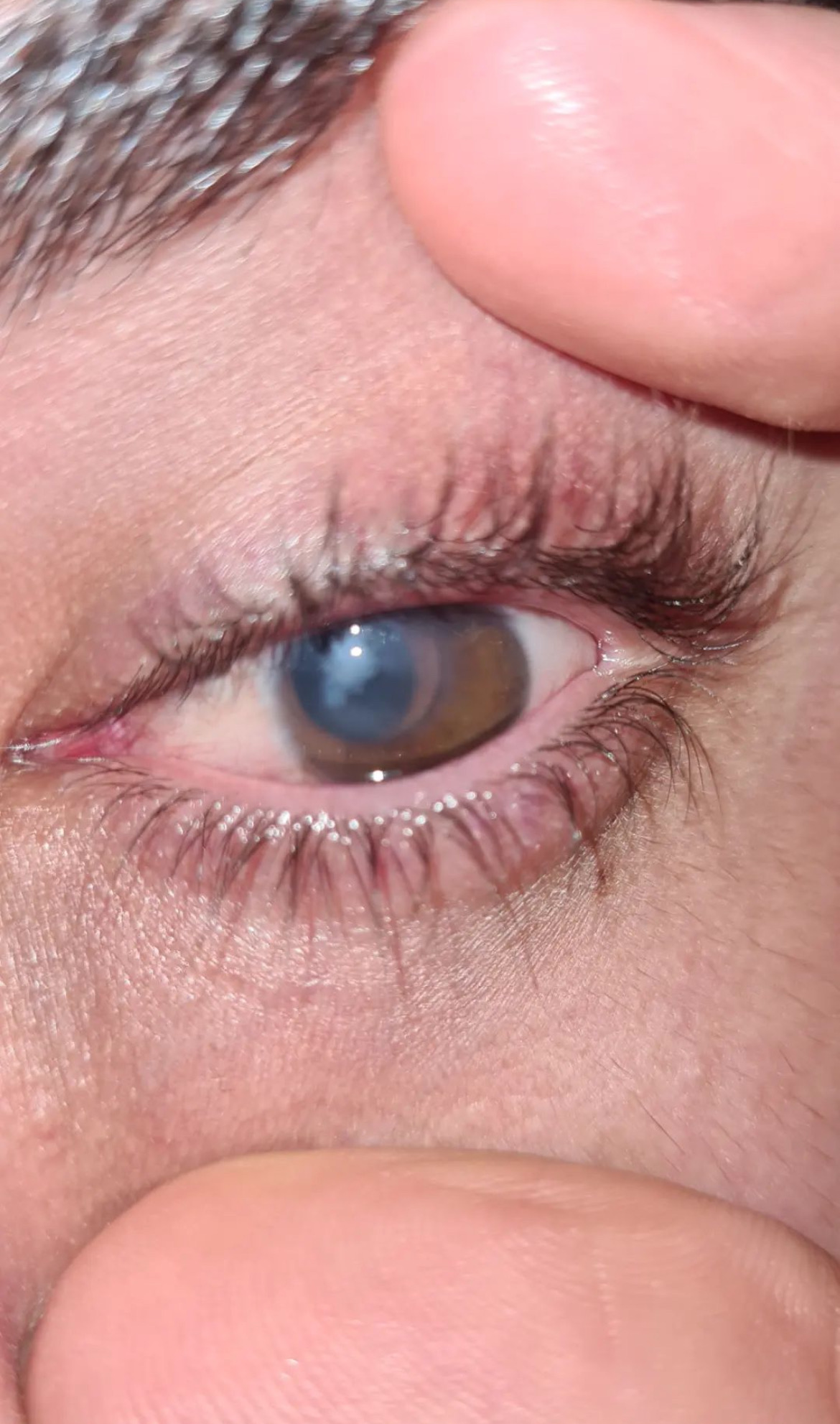
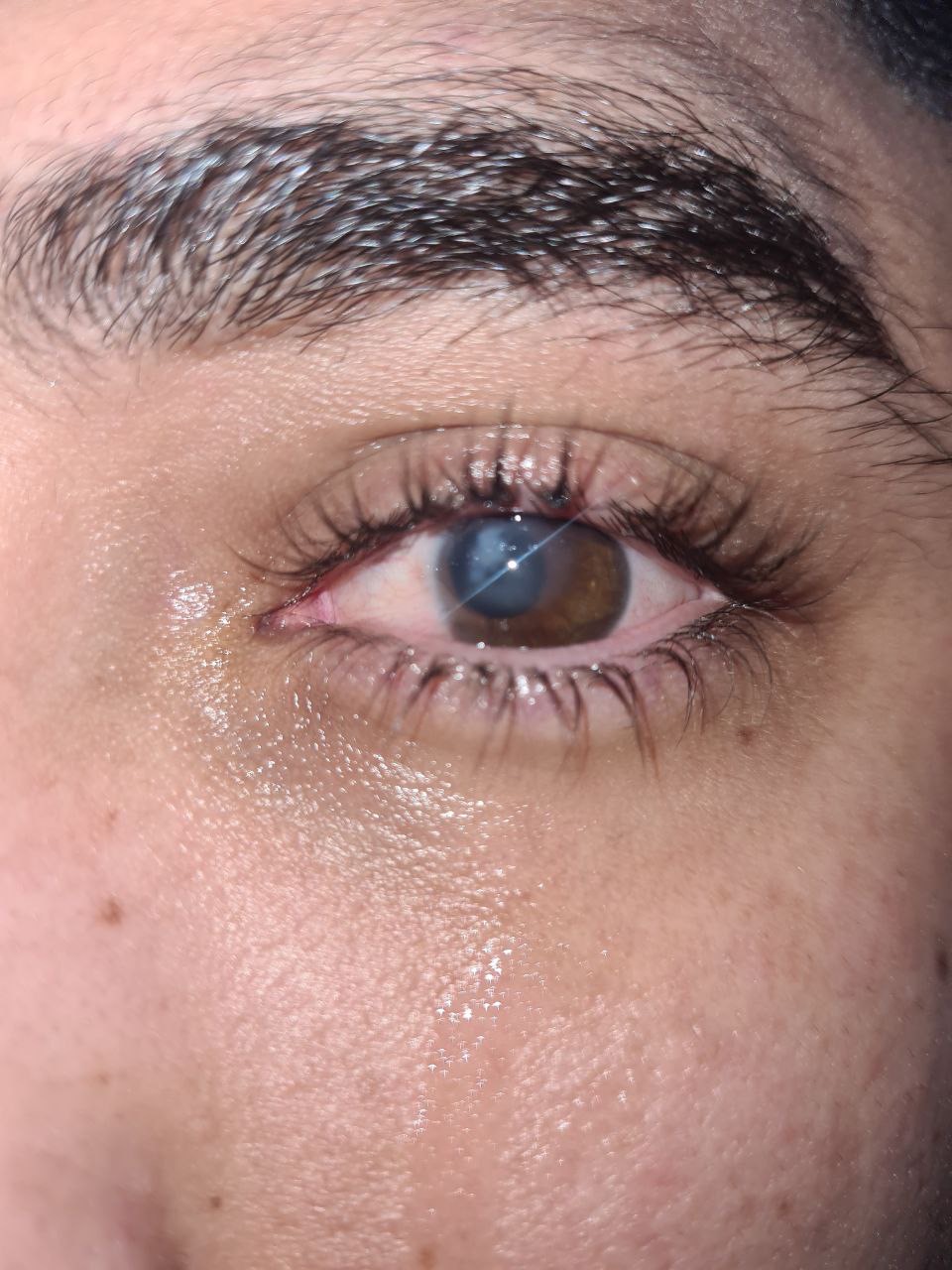
Matin had pellets all over his body, his torso, legs and hands, but the one of the most concern for the pellet that had hit Matin in his left eye.
“The other pellets didn’t bother me, but one had hit me right in the cornea of my eye. I couldn’t see anything from my left eye.”
Those who were around at the time that Matin had been hit helped to get him to the hospital in Bukan, but when Matin called his family, they were afraid that the hospitals were being monitored and that it wouldn’t be safe for Matin to stay, so he was forced to leave.
“Most of the people that were being arrested, that’s how they were being taken, they would collect them from the hospitals.”
When he got home, Matin’s mother was in shock, asking him why he had gone into the crowds when she had asked for him not to get involved. Eventually, they decided that it would be best for them to go to a hospital in Tabriz. Nikookari Eye Hospital was the nearest hospital specialising in ophthalmology. The drive there took about four hours. After being examined, Matin was told that he would need surgery to attempt to save the eye, and so he was hospitalised for his operation which happed the next day on 17 November. The Surgery did not help Matin regain any vision in his eye, he couldn’t even see light. After multiple visits to the hospital in Tabriz, Matin was referred to an eye specialist in Tehran. Matin and his mother made the journey to Tehran and visited multiple clinics before going to Torfeh Hospital to see if the pellet could be removed from Matin’s eye. Here, Matin was told that the damage to his eye was severe and the most important thing that they could do at this point was try to keep the eye as healthy as possible so that it would not need to be removed.
Matin was hospitalised again for an operation. In a blatant violation of medical neutrality, it seems that hospital staff had reported to authorities that a “rioter” had come to seek treatment.
Paramilitary Basiji agents came into the hospital and Matin was loaded onto a wheelchair and taken away despite his mother’s pleas to allow him to remain and recover. Matin was taken to a police station where he was held for approximately four hours and interrogated. At this point, two weeks had passed since Matin’s injury and he was in a vulnerable post-op state. Matin recalls being asked why he was in Tehran and how he had been injured.
“They told me that because I’m Kurdish, that makes my crime different, plus being Sunni, they told me I was done for.”
That same day Matin was transferred to Evin prison where he was held for a couple of days before being taken to court. There they continued to to threaten and interrogate Matin. Matin recalls the judge making a comment that he should have been shot at closer range so that the bullet would have gone right through his head and come out the other side.
Having little evidence, after contacting authorities in Tabriz, given that there was no security footage showing that Matin had been at protests, Matin was released after paying a fine of 60 million Tomans (roughly $5,000 – 7,000 USD at the time). After this, the most vision his eye was able to recover was seeing what amounted to about a needle point of light.
Matin’s resolve was unshaken. Over the next few years, he remained relatively active on social media. He describes it being a difficult time, for the first year or year and a half, his eye had tremendous pain. He continues to experience pain to this day, but in the beginning it was more difficult for him. He was still seeking treatment and this meant multiple back and forth trips from Bukan to Tehran. He didn’t understand why this had happened to him, and he struggled with the fact that the beauty of his eye was taken from him so violently. Matin’s life had changed. He had attempted to go back to university when he was well enough, but now he had a record and the University expelled him, preventing him from continuing his studies. Matin was stuck.
When the Woman Life Freedom protests started in late 2022, things changed. With this movement, something was different. Injured protesters were calling out louder than ever before. Their numbers were increasing so much that they were able to find some safety in their numbers. There was also increasing supports available as the stories spread of intentional systematic aiming at the eyes of protesters.
Matin was able to find people in Tehran and in his own city who were injured like him and were experiencing the same pain that he had felt years before. He also connected with families of those who had been killed, and would mourn with them and visit their graves. Slowly, this helped Matin to come to terms with what had happened to him.
“I got a lot of energy and my spirit improved when I was around the others.”
Because of his increasing activities, Matin was under immense pressure. At one point he was asked to cooperate with authorities and help them to make cases against others. Matin refused to cooperate.
This continued until 23 January 2024 when Mohammad Ghobadlou who was a protester that had been held in Karaj was to be executed. Many people were doing everything they could to save Mohammad’s life.
Matin’s house was attacked by what he describes as 19 or 20 policemen who violently arrested him. He describes having his hands and feet bound, being tased and beaten. He was held in solitary confinement for 25 days. Matin was still receiving vital treatment for his eye at the time and needed eyedrops to prevent further damage and pain. However, he was denied access to his medication while being held.
“My eye burned so much I felt like my brain was going to explode.”
Matin was charged in this instance with “disrupting public order” and “acting against national security”. He was released on bail, having to put up 1 billion Tomans in collateral (roughly $24,000USD). Matin was sentenced to 31 months, 6 months to be served and 26 months of probation.
Overall, Matin to date has had 6 operations on his eye, including a cataract surgery which resulted in the removal of his lens. The repeated surgeries were due to the detaching of the retina which needs silicone oil to be inserted. This silicone oil then needs to be removed some 6 months later as it expires. This results in repeat surgeries should the retina detach again. Removal of the lens also increases the risk of retinal detachment.
Matin tells us he never felt fear. Through the threats he received, the tanks and weapons that he saw aimed against unarmed protesters, he continued to do what he believed was right. He saw many people killed but was undeterred.
“They killed so many people in my city. But I still went.”
Matin did change one thing though, when protests picked up again in 2022, Matin no longer went out unprotected. He would fashion home-made protective gear from cardboard to wear under his clothes and welding goggles to protect his eyes.
“I didn’t want for my other eye to be injured too.”
Although he was paying a high price, Matin knew that what he had done was right. His determination did not leave room for fear. But there was one thing that he was worried about. His mother.
“My mother was under a lot of pressure. I just didn’t want for her to suffer.”
Matin told us that his biggest fear in being sent to prison was that his mother would be left alone. He says if he wanted to leave, he would have done so back in 2019 or in the peak of 2022, but he has chosen to stay. The thing that bothers him the most is the pain that his mother has had to endure and will likely endure when he is imprisoned. Matin tells us that his mom was also threatened.
“They couldn’t scare me, so they went after my mother. Telling her that I would be executed.”
But Matin is ready to stand by his actions, he is at peace with himself and is proud of the way he has conducted himself.
“I’m ready to go to prison, not because I believe I’ve done something wrong, but because I stood by my honour.”
Matin is from Kurdistan, a part of Iran that was hit heavily by brutal force. Matin witnessed extreme violence. He saw his people be crushed into silence. Matin had gone into the streets with the hopes that he would be heard, his people would be heard. That something would happen.
“The people are no longer scared of the bullets. We’re not scared of anything.”
Matin’s message for the world was to be a voice for political prisoners who are at the mercy of the regime and at immense risk of execution.
“Be the voice of Toomaj Salehi, Samman Yasin, Pashkan Azizi and the many others that can be executed at any moment. Their lives are in danger.”
He also called for unity.
“With unity, we can do anything.”
We asked Matin if he had any feelings of regret in the past five years since being injured.
“Like Yalda Aghafazli said, I never felt any regret. I’ve done what I needed to do, and I’ve walked my path. I was acting on my own honor. And I will never give up my honor.”
– Matin Hassani
References:
 Eyes for Freedom | Cheshm Baraye Azadi | چشم برای آزادی