The eyes of a revolution and the stories behind them
Our Stories
We have asked for people to share with us their stories, the way that they would like for them to be told.
Majid Movafegh


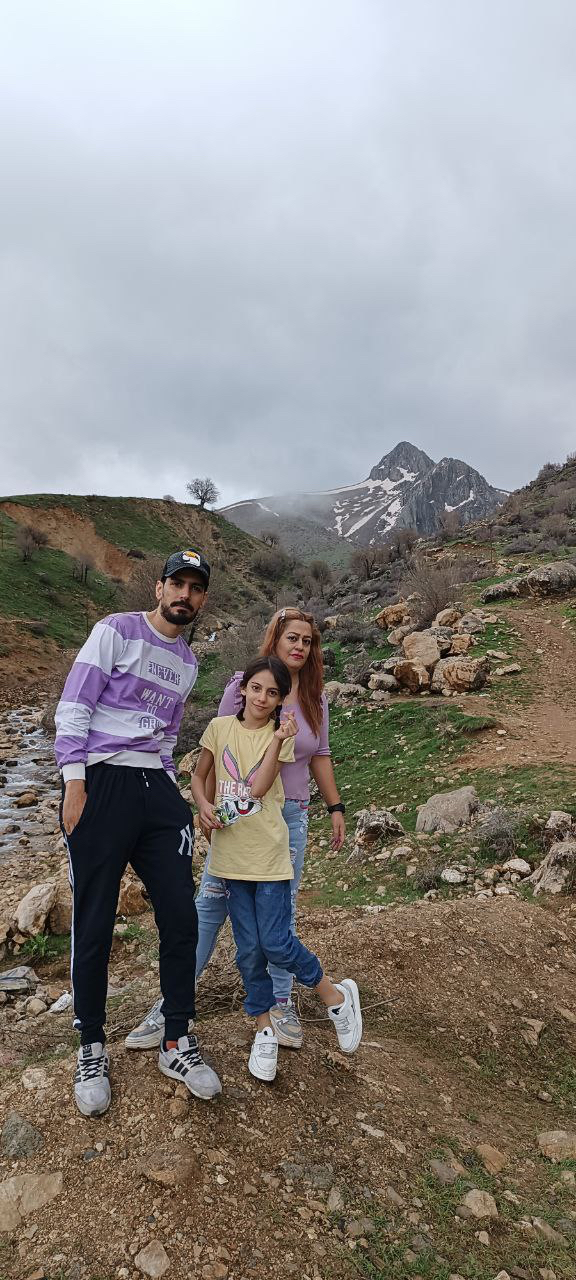
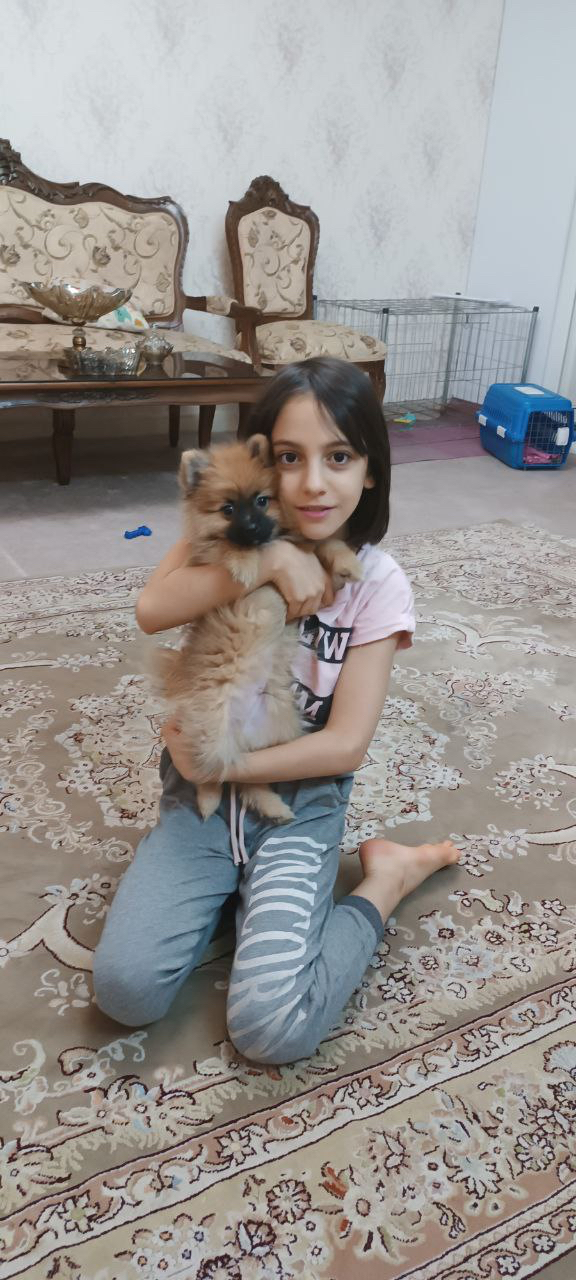




Majid Movafegh
Majid, a 37-year-old father to a young girl, worked in a clothing factory.
“We’ll always talk about a time before Mahsa and a time after her.”
Before September 16, 2022, Majid lived an ordinary life. He and his wife were raising their daughter, and he worked diligently to provide for his family. However, everything changed when news of Mahsa ‘Jina’ Amini’s death in custody spread across Iran.
“What if my daughter is next?”
The thought haunted him. What if his daughter, who dreamed of a free and fulfilling life, became another victim of this regime? A daughter who should have the right to choose what she wears, to have control over her own body. And what if his family was next?
This fear compelled Majid and his wife to join the protests.
This wasn’t their first time. Majid recalled Pouya Bakhtiari, a protester killed in Karaj during the November 2019 protests. He remembered protesting on a parallel street with his wife when Pouya was killed.
“They claimed people were shooting each other, that it was rioting. But I saw it with my own eyes. Snipers were positioned on the roof of a state-owned bank. Who else could be on a bank roof at 9 PM?”
The regime’s brutal response silenced those protests, but the people’s discontent only simmered beneath the surface.
Majid and his family returned to their daily lives. They had witnessed the regime’s brutality firsthand, but they had escaped physical harm.
This time, it was different.
Majid, his wife, and their friend joined the main crowd. Suddenly, about twenty motorcycle-mounted police officers, their faces obscured, emerged.
“I expected the usual. Tear gas, maybe shots fired into the air or at our feet. Sometimes you might feel something graze your jacket. But I never expected…”
The police opened fire into the crowd, causing panic. Majid and his wife became separated from their friend in the chaos. Distraught, Majid pushed towards the front of the crowd and shouted at the officers,
“Why are you shooting at people’s children?”
Two officers on each motorcycle blocked the crowd at an intersection. They aimed their weapons indiscriminately at the protesters, firing to prevent the crowd from advancing.
“I saw one officer raise his weapon towards me and aim carefully, I didn’t think he would shoot. But the way he aimed felt different.”
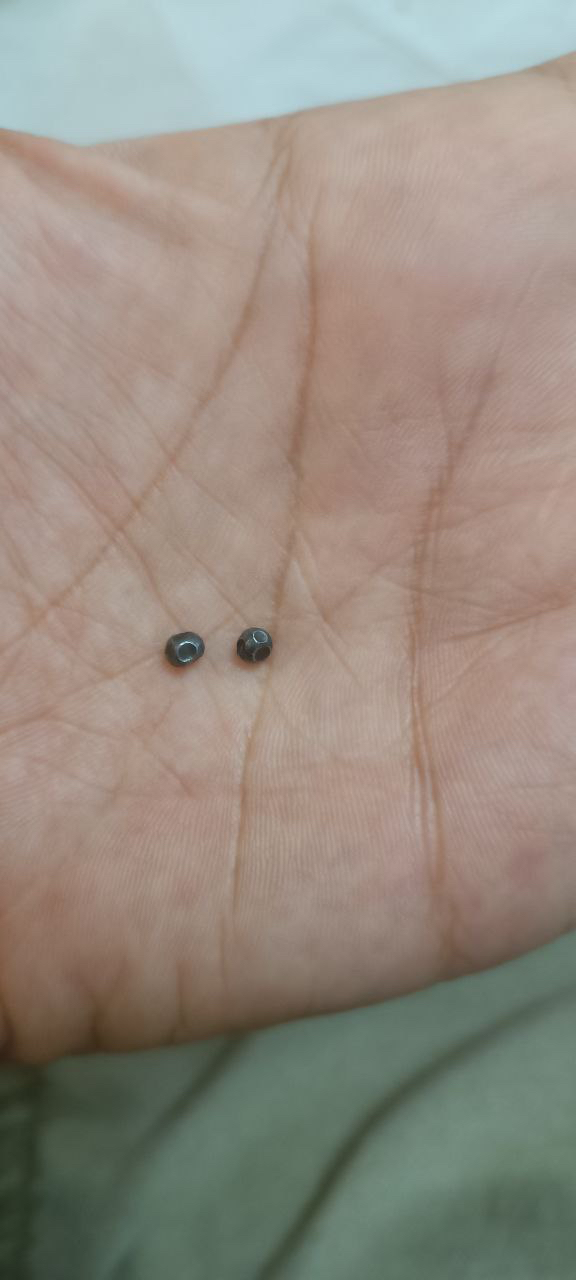
Majid heard the gunshot and felt the impact. He still couldn’t believe he had been shot. A sharp pain pierced his abdomen, and he felt something above his eyebrow. The crowd quickly pulled him into a nearby parking structure for safety.
Those around Majid tried to stem the bleeding. He was still disoriented. The multi-level parking structure was filling with people seeking refuge. Thankfully, Majid found his wife among the crowd.
The protesters were trapped inside the parking lot for an hour or two, unsure when it would be safe to leave. The fear grew that the police would enter the parking lot and target Majid, given his injuries.
They knew they had to leave. Majid had parked their car a few blocks away. Majid went with three other protesters, one of whom had a car nearby, while his wife followed in their own car, frantic with worry.
They initially sought help at a smaller clinic, but were denied entry.
“I didn’t understand why at the time. I didn’t realize the gravity of the situation.”
Next, they tried Noor Eye Hospital, a private clinic specializing in ophthalmology. They were turned away again, directed to the Red Crescent. Majid’s condition was worsening, so he got out of the car to plead with the clinic, but they refused.
“It felt like no one wanted to help us.”
They then rushed to Sina Hospital, where they were redirected to Farabi Eye Hospital. By this point, Majid was barely conscious and has little recollection of the next few hours after receiving pain medication.
Majid’s wife described the chaotic scene at the hospital. They arrived around 1:00 or 1:30 AM, and the hospital was overflowing with patients.
“It was shocking to see the distances people had traveled, they were being brought in from Kurdish regions and the northwest, all with serious injuries.
In the bed next to Majid’s lay a young girl, unconscious from the excruciating pain. Her mother wept uncontrollably. Upon inquiry, the mother revealed that the girl had been injured during the protests. When the mother heard the gunfire, she rushed to the window, and her young daughter followed. Authorities were firing into the air, but a stray bullet struck the girl in the eye, robbing her of her sight.”
Before surgery could begin, Majid was transferred to Sina Hospital for imaging. The hospital had initially denied treating his injuries, claiming they were not caused by projectiles. However, scans revealed a pellet had penetrated his left eye, severed the optic nerve, and lodged in his skull.
Majid was waiting in the emergency room where a Kurdish man, his hand injured by live ammunition, warned him of the dangers of staying overnight. It was evident that the police were making rounds, gathering information on patients and apprehending those suspected of protest involvement. To avoid detection, Majid’s friends brought him a laborer’s uniform, enabling him to claim a workplace injury.
“Around 8 or 9 PM, plainclothes officers entered the ward, two men came into our room, questioning us about the events and our presence at the hospital. They asked, “Who brought you here?” When I said my co-workers, they scoffed, “Your co-workers took you to riot?” They clearly didn’t believe me, simply saying, “We’ll see.””
As the plainclothes officers left, nurses urged Majid and his friends to leave immediately. They explained that the officers would soon visit the insurance office, where the true nature of his injuries would be revealed.
At 9:30 PM, Majid and his friends hastily left the hospital.
From that point on, Majid sought treatment only from private clinics, but the damage was irreversible. He had lost the sight in his left eye.
“This has been incredibly difficult to cope with. I never imagined this could happen. I can no longer drive, and my life has been irrevocably altered.”
When asked if he had filed any complaints, Majid replied,
“Where could I possibly seek justice in Iran?’”
Given the current political climate, filing a complaint within Iran could have severe repercussions for Majid or others like him. Any action taken on behalf of protesters could lead to legal reprisals. Therefore, the best hope for justice currently lies with international. courts.
The Independent International Fact-Finding Mission (the Mission) on the Islamic Republic of Iran, established by the Human Rights Council, is investigating these human rights violations. The Mission aims to gather evidence and compile reports on potential crimes against humanity committed during the suppression of protests within Iran.As part of this crucial investigation, the Mission is meticulously documenting the types of weapons used against protesters.
In their initial report, released on March 8, 2024, the Mission highlighted the intentional blinding of protesters and the long-term consequences of these injuries. With the unwavering advocacy of the injured, it is highly probable that the final report will include a comprehensive account of eye injuries and the deliberate blinding of protesters.
When asked if any legal action had been taken against him, Majid revealed that he had been arbitrarily detained for ‘questioning’ without any legal documentation or due process.
“The interrogations were deeply abusive and disrespectful. They refused to address me by name, instead resorting to demeaning and degrading language. They hurled obscenities at my family, particularly targeting my mother and sister, in an attempt to break my spirit. It wasn’t about obtaining information; their goal was purely to humiliate and destroy my dignity. I endured ten days of relentless psychological abuse and a constant barrage of insults.”
Majid has yet to come to terms with the loss of his vision. He explained that while he and his wife had participated in previous protests, they were able to resume their lives afterward. This time, the situation was drastically different.
This time, they had paid a heavy price. They had been irrevocably damaged. This damage can only be healed through the pursuit of justice and accountability for their suffering.
Undeterred by his injury, Majid and his wife continued to participate in protests. They attended the 40th-day commemoration of slain protester Hadis Najafi on November 3, 2022. This protest in Karaj was particularly violent, resulting in numerous deaths, injuries, and arrests.
Tragically, Mohammad Mehdi “Kumar” Karami and Sayyed Mohammad “Kian” Hosseini, arrested during this protest, were executed on January 7, 2023. During this protest, Majid’s wife sustained a painful back injury that remains untreated.
After enduring immense hardship and pressure from government forces, Majid and his family made the difficult decision to flee Iran and seek asylum in Türkiye with their young daughter.
Life in Türkiye has presented numerous challenges. The harsh conditions for asylum seekers, coupled with Majid’s medical needs and his family’s psychological trauma, have made their situation particularly difficult.
Accessing further medical treatment has been a significant obstacle, as Majid does not have insurance coverage. This has not only left Majid without the ability to have regular checkups on his eye, but it’s also left the family vulnerable to any health conditions that may arise from their conditions in Türkiye.
Finding stable employment has also proven challenging. Due to language barriers and the limitations imposed by his visual impairment, Majid has struggled to secure meaningful work. In the past year, he has only been able to work sporadically in low-paying, insecure jobs, barely sufficient to support his family.
His limited vision has led to accidents in the workplace, further exacerbating his situation. For instance, he has inadvertently knocked over heavy machinery, resulting in reprimands and, ultimately, job loss.
Majid had witnessed the evolution of the Iranian people’s struggle, from the Green Movement of 2009, where people questioned the legitimacy of the election results, to the November 2019 protests, where the demand shifted from reform to the outright overthrow of the Islamic Republic and the removal of Supreme Leader Khamenei.
The people rejected the concept of “Velayat-e Faqih,” the guardianship of the Islamic jurist, which grants the Supreme Leader absolute authority.
The Woman, Life, Freedom movement ignited a spark of hope, with its powerful energy and unwavering determination. Majid and his wife felt that the end of the Islamic Republic was imminent. However, the movement eventually subsided, leaving a sense of disillusionment and uncertainty.
The “greys,” those who oppose the regime but remain passive, failed to support the movement. Their inaction allowed the security forces to regain control of the streets and brutally suppress dissent.
Majid expressed frustration with the lack of collective action:
“Who was supposed to push it further? It wasn’t the responsibility of a single individual.”
The movement’s decline led to a feeling of aimlessness. Majid’s friends, fearing association with him, distanced themselves. Even after emigrating to Türkiye, he faced isolation.
Despite the challenges, Majid remains resolute in his convictions:
“I’m not regretful. Even if I could go back, I would do it all again. However, I’m disappointed in those who remained silent and expected others to lead the charge. The Iranian people have a long history of waiting for a savior, but it’s time for them to take action.”
Majid questioned the sacrifices made by countless individuals:
“Why should Mahsa’s fate become a symbol of our tragedy?”
He yearned for a collective understanding of the stakes involved.
He urged people to recognize the threat posed by the regime:
“The Islamic Republic does not represent the Iranian people. The IRGC is a terrorist organization.”
He called on the international community to closely monitor the situation in Iran and condemn the regime’s human rights abuses.
Majid’s message to the Iranian people was clear:
“Remember the sacrifices made during the 2019 protests and the 2022 uprising. Even with injuries, we must continue to resist. We must use our remaining strength to witness the fall of the dictator.”
While haunted by regret for the movement’s suppression and his forced exile, Majid remains committed to exposing the regime’s crimes. He is ready to testify against the Islamic Republic and contribute to the realization of a free Iran.
Majid’s message for others injured like him was:
“We will use our remaining eye to witness the fall of the dictator.”
Majid doesn’t have regret for what’s happened, but there are things he mourns. He mourns the suppression of the movement, his forced exile, and his inability to actively resist the regime. Yet, he remains steadfast in his commitment to justice.
“I am ready to testify anywhere and everywhere about the crimes of this regime.”
“In the hope of a free Iran.”
– Majid Movafegh
 Eyes for Freedom | Cheshm Baraye Azadi | چشم برای آزادی