The eyes of a revolution and the stories behind them
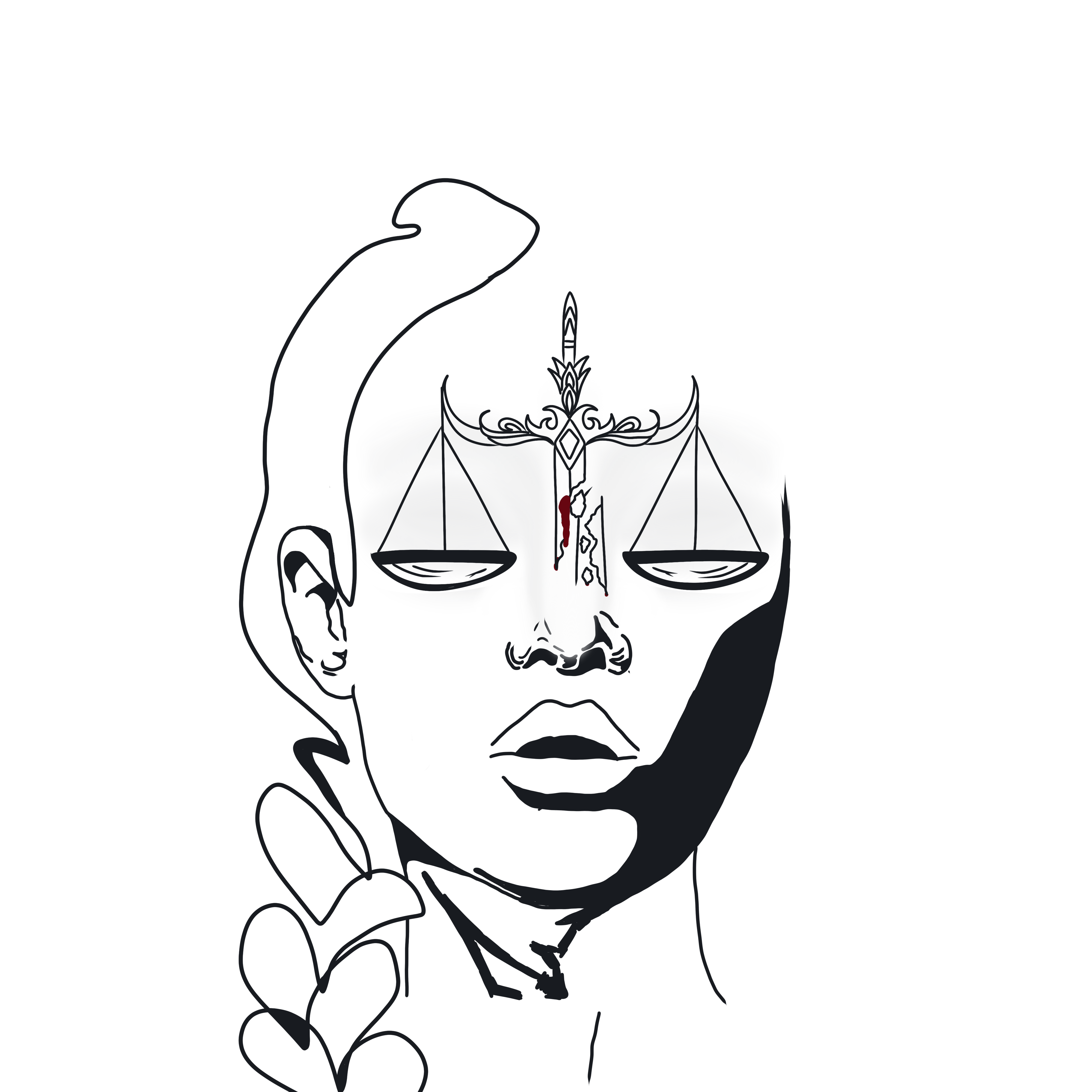
Our Stories
We have asked for people to share with us their stories, the way that they would like for them to be told.
Arvin Salimi
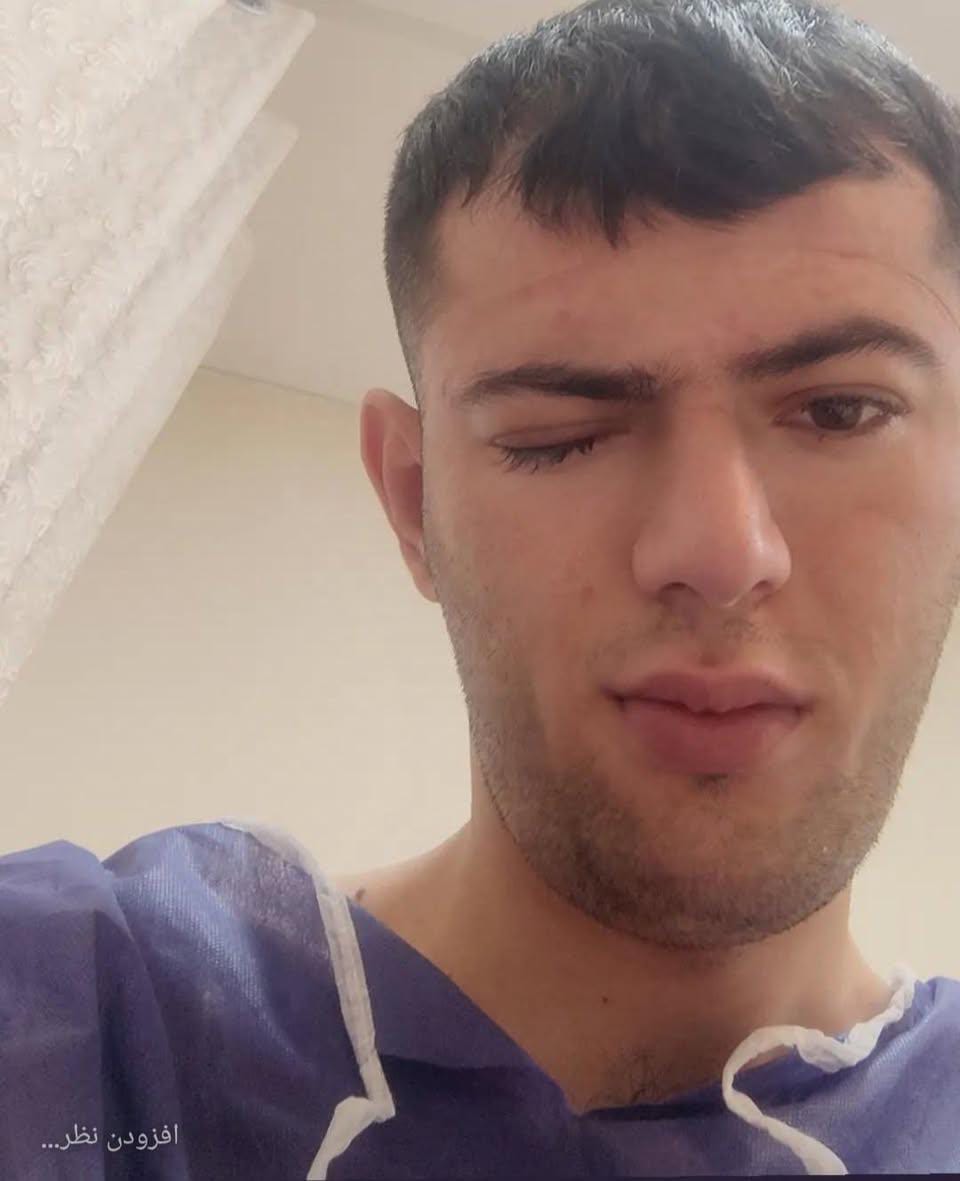

Arvin Salimi
Arvin, 21 years old, had just finished his two-year mandatory military service.
Like many young men, Arvin was conscripted for mandatory military service right out of high school. He had been forced to put his life on the line, serving in the Border Guard Unit at the zero-border point, enduring horrific conditions for two years.
“I gave them two years of my life in service, and for my troubles, they took one of my eyes.”
On October 27, 2022, Arvin was on his way back home from the 40th-day ceremony commemorating the death of a protester, Reza Lotfi. Reza was one of the first protesters killed by police in Arvin’s small town near Sanandaj, in Kurdistan province.
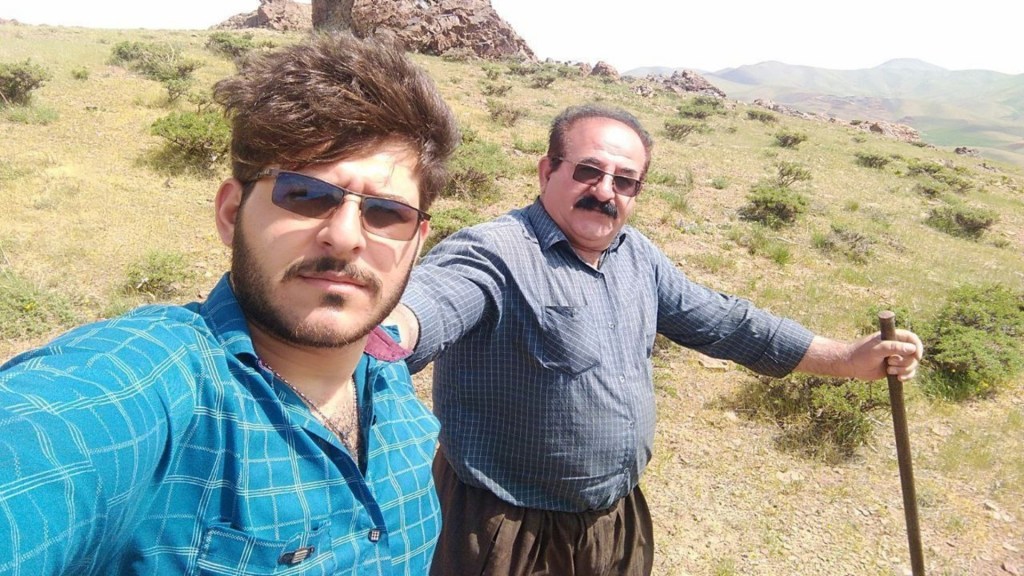
“I remember Reza’s father saying: ‘I didn’t sell the blood of my son, and you shouldn’t let his blood be trampled on.’ That stayed with me.”
The crowd returning from the mourning ceremony was ambushed by police forces, who fired directly and indiscriminately into the gathering. That’s when Arvin was injured.
Arvin hadn’t felt fear until he was hit with pellets, and his left eye went dark.
“I lost the vision in my eye before I even heard the sound of the shotgun.”
Panic ensued in the chaos as police forces worked their way through the crowd, firing at unarmed mourners and capturing whoever they could, while most tried to escape.
Arvin managed to get away. Since there was no hospital in his area capable of treating him, he went to Sanandaj for treatment. There, Arvin saw four or five others injured like him.
“They had come from all over for treatment. Four or five of the people I saw had eye injuries like me.”
It wasn’t until he was transferred to a hospital in Tehran that he understood the gravity of the situation. In Tehran, Arvin said, every three or four beds in the hospital were occupied by people with eye injuries.
Arvin has undergone six operations on his eye in an attempt to preserve its shape and physical appearance. However, he has never regained vision, seeing only light at most. Doctors have given him no hope of restoring his sight.
Yet, Arvin is at peace with his injury.
“To tell you the truth, I like my pain. Even though I miss being able to see the left side of my world, I like my wound. It has forced me to understand myself better. It has forced me to understand that the path I’ve chosen is the correct one.”
Arvin quotes a line from the “Song of Equality,” often sung by women opposing oppression: “I will grow sprouts from my wounds.” He aims to take the crime committed against him and use it to build a better world for the next generation.
Arvin had hoped for unity among the people of Iran. He had hoped they would have each other’s backs.
“If we had been united, we would have reached victory by now. Maybe if, from day one, we had acted as one, we wouldn’t have lost a single soul.”
Arvin fears that if voices don’t become united, more will be lost: more children, more youth, more light from their eyes.
Arvin had just finished his mandatory service. He had his whole life ahead of him before this happened. He is working to survive but hasn’t been able to pursue the things he truly wanted.
“I wanted to make life easier for myself and the people around me. I don’t want our basic needs to be so far out of reach that they become wishes. Basic needs shouldn’t be wishes. I want to be fairly compensated for the work I’ve done. I want to see the value of my work.”
Arvin’s message to the world echoes the words of political prisoner Fatemeh Sepehri: He wants people to wake up.
“If we don’t wake up, I fear that things will get much, much harder. I think they will destroy everything.”
Arvin calls on people to think of the future generation.
“We were burned; let’s not let future generations fall into the same pit of fire.”
Arvin’s message to others injured like him is to stay strong and not surrender.
He has no regrets about what has happened. He says that if he could go back in time and do it over again, he wouldn’t change a thing. He would keep demanding his rights and fighting for a better life.
“We can make Iran beautiful again.”
Arvin Salimi
 Eyes for Freedom | Cheshm Baraye Azadi | چشم برای آزادی