Ali worked at a bicycle repair shop and competed in cycling competitions.
Whenever the city became loud and people took to the streets, Ali and his friends were right there alongside them.
This time was no different.
On October 13, 2022, the city had once again grown restless, and Ali and his friends were on the front lines, chanting.
“For every one of us, there were six police officers on the street.”
The police had flooded the streets, blocking any possible exits. They used tear gas to disperse groups and isolate individuals from the crowd.
Ali and his friends became separated. As he wandered, searching for where everyone had regrouped, he noticed a woman chanting alone on the street.
“I went to her side so that if they attacked, she wouldn’t be alone.”
The police eventually caught up to Ali and the woman and began their assault. Seeing this, others on the street intervened, managing to free the woman, allowing her to escape. But Ali was left behind with the police and a few others who were being beaten or arrested.
As Ali tried to escape, he was shot in the legs with a paintball gun.
“They were firing at my feet. They got me twice. I could feel it—it was like they were trying to get my attention, like they wanted me to turn around so that they could aim for my eyes.”
The moment Ali turned to see who was shooting at him, the gun was already raised and aimed at his head.
The first shot grazed his ear, but the second struck him directly in the left eye.
“It was like in a cartoon when something shocking happens, and the character freezes. I just froze for a second.”
Ali completely lost vision in his left eye the moment the paintball hit him. His right eye could only see white. Realizing he couldn’t stay where he was and struggling to see in short bursts, Ali started running in the only direction that seemed open.
With his vision still impaired, he made out a figure standing near a car, gesturing for him to get in.
Hoping it wasn’t a plainclothes officer, Ali got into the car.
“As he was driving away, I said to him, ‘I swear to God, please tell me you’re not police.’”
The man laughed and showed Ali his tattooed arms. This reassured Ali that the man couldn’t be with the police, and they drove toward safety.
In shock, Ali realized he didn’t have his phone with him and couldn’t remember his father’s number to call for help. The man drove Ali to his home.
Ali spent the night at home. His family feared that going to the hospital would be dangerous and might lead to his arrest.
Ali was in extreme pain. His family found someone who was able to provide him with eye drops to soothe him temporarily, but they warned that he needed medical attention and would likely lose his eye.
Realizing they had no other choice, Ali’s family decided to take him to the hospital.
At the hospital, when Ali explained what had happened, the admissions nurse warned him to change his story.
“She told me that if I said what really happened, the hospital would report me, and I would be arrested. So I changed my story.”
Ali claimed he had been riding his bike when he was struck in the face by a tree branch, injuring his eye. As he told this fabricated story, he was aware that he was being recorded and noticed hospital staff pulling his family aside for questioning.
Doctors told Ali he needed immediate surgery and that there was a chance they could save his eye.
Every few months, Ali had to return for more operations. None of them restored his vision.
When asked if he had ever felt afraid, Ali responded with sincerity.
“At first, I was always on the front lines. I wasn’t afraid of anything.”
But now, Ali says, he is terrified—not for himself, but for others. He fears that it will happen again, that more innocent people will suffer the same fate. He knows that when the streets erupt once more, more people will lose their eyes, just as he did.
Yet, Ali has no regrets.
“If I could go back to that same day and do it again, I would.”
Ali’s family wasn’t entirely supportive of his decision to protest. They questioned whether his actions were worth the price he had paid—the pain he had endured.
“I tell them, if I don’t go, who will? If no one goes, then nothing will change, and everything will stay the same.”
Ali has not been able to file any complaints about what happened to him.
“Some people filed lawsuits, but all it did was put them under a microscope. I didn’t want that kind of pressure on me. It wasn’t worth it. I don’t think anything ever came of it.”
Ali accepted what had happened to him the moment it occurred. His family worried about him, but he reassured them, saying he still had his right eye.
“We expected so many people to come to the streets that the police would be completely outnumbered.”
Ali and his friends had participated in many protests and knew the risks. Yet they still went.
Since his injury, Ali has been unable to return to cycling at his previous level. The intensity of physical activity and the risk of his damaged retina detaching again prevent him from doing so.
Ali had wanted change. He wanted to be free. He wanted to compete on the global stage. But that didn’t happen.
He had dreams of winning medals, of succeeding in his passion.
“We did sports to become stronger. The more we pushed our limits, the closer we got to our goals.”
Ali wanted to share his truth with the world:
“Islam is a religion of slaves. The world can look at the people of Iran today and see the situation for themselves. There are no good religions, but Islam, especially, is nothing but a religion of slavery.”
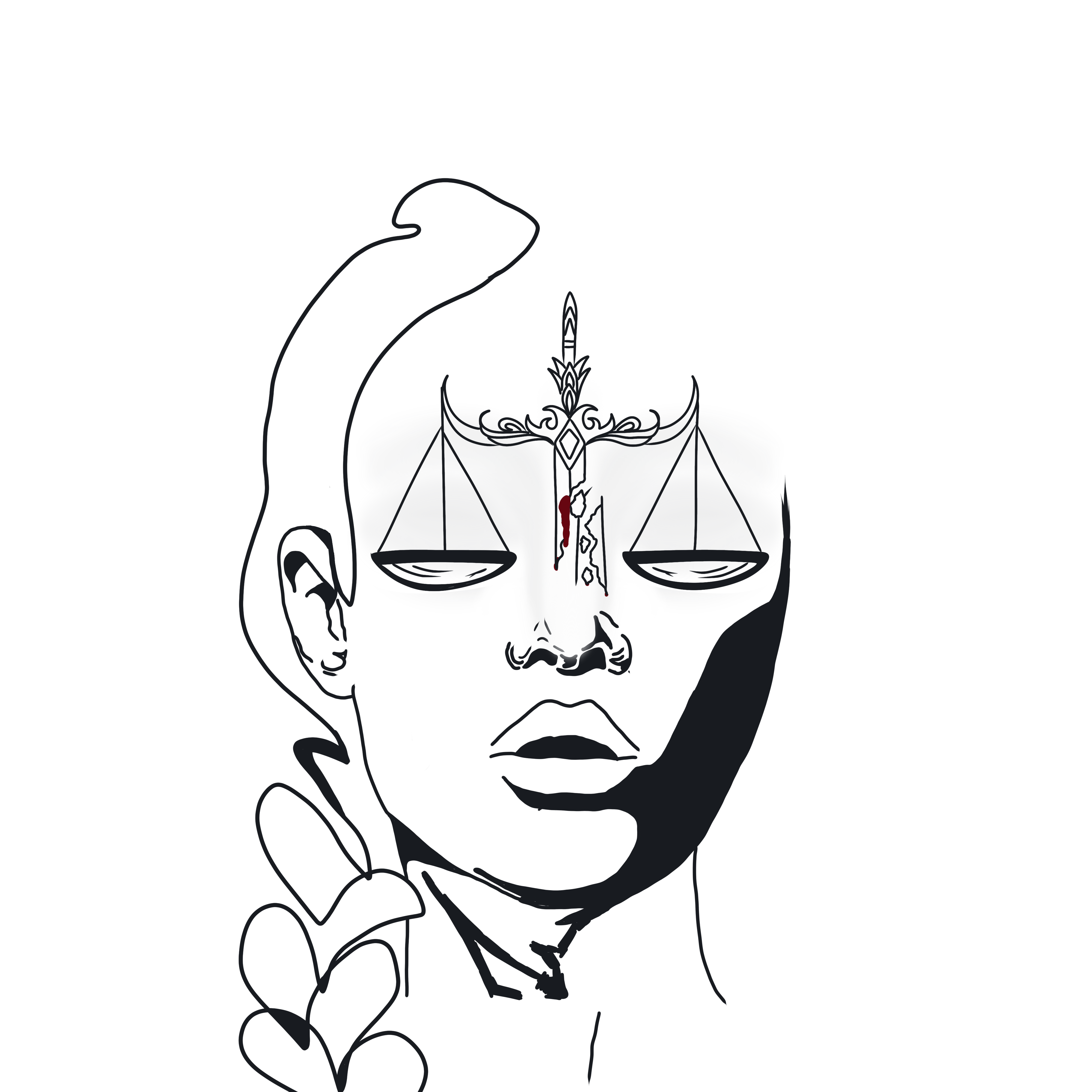

 Eyes for Freedom | Cheshm Baraye Azadi | چشم برای آزادی