The eyes of a revolution and the stories behind them
Our Stories
We have asked for people to share with us their stories, the way that they would like for them to be told.
Ali Delpasand
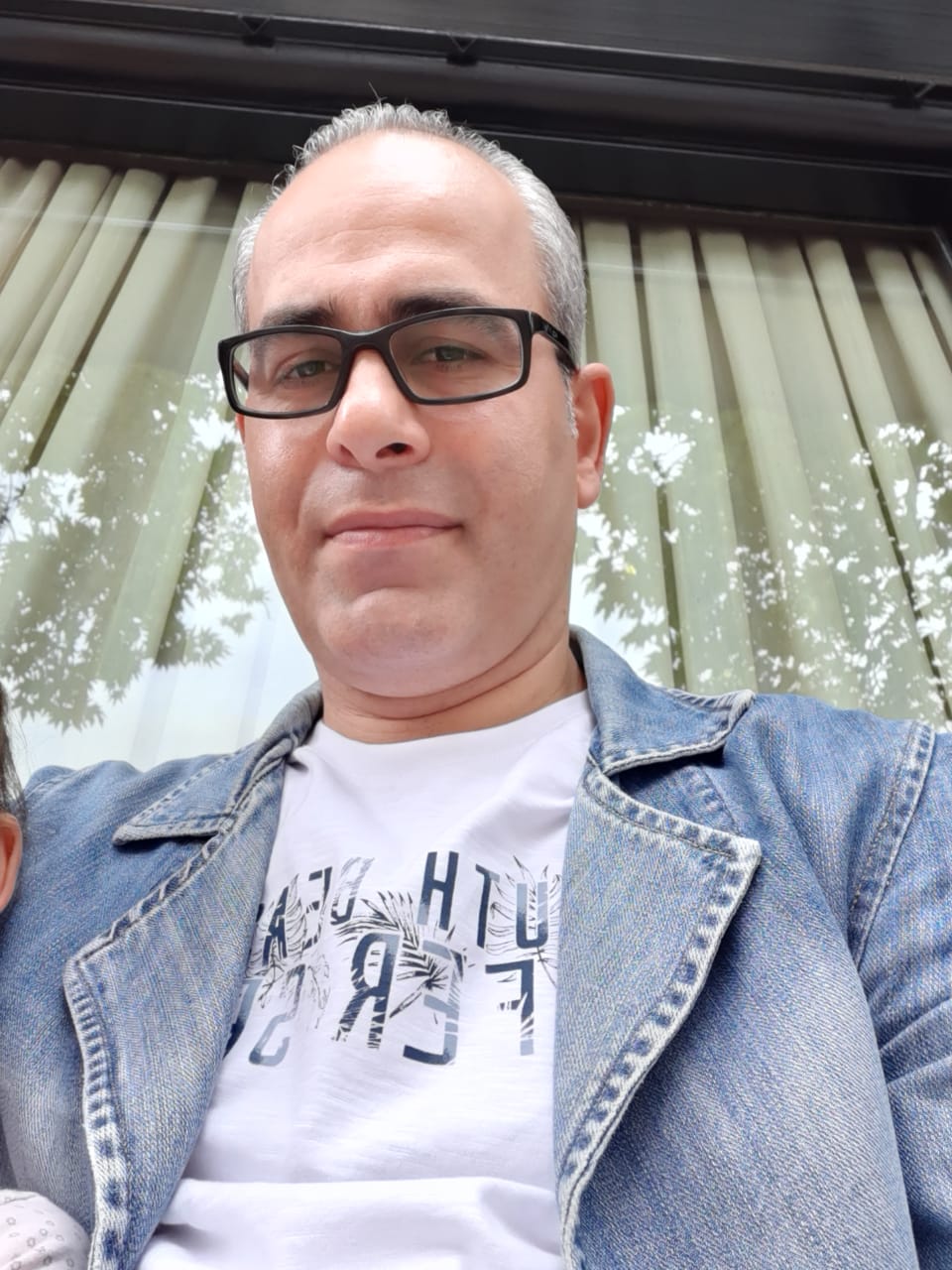

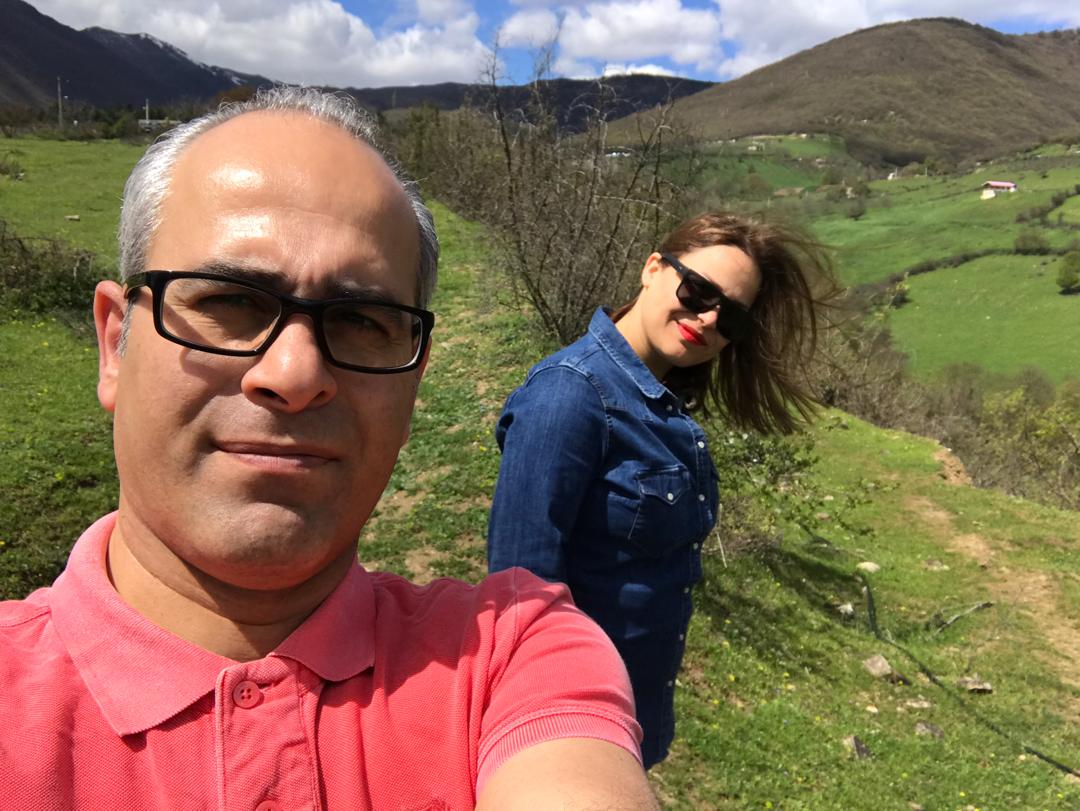

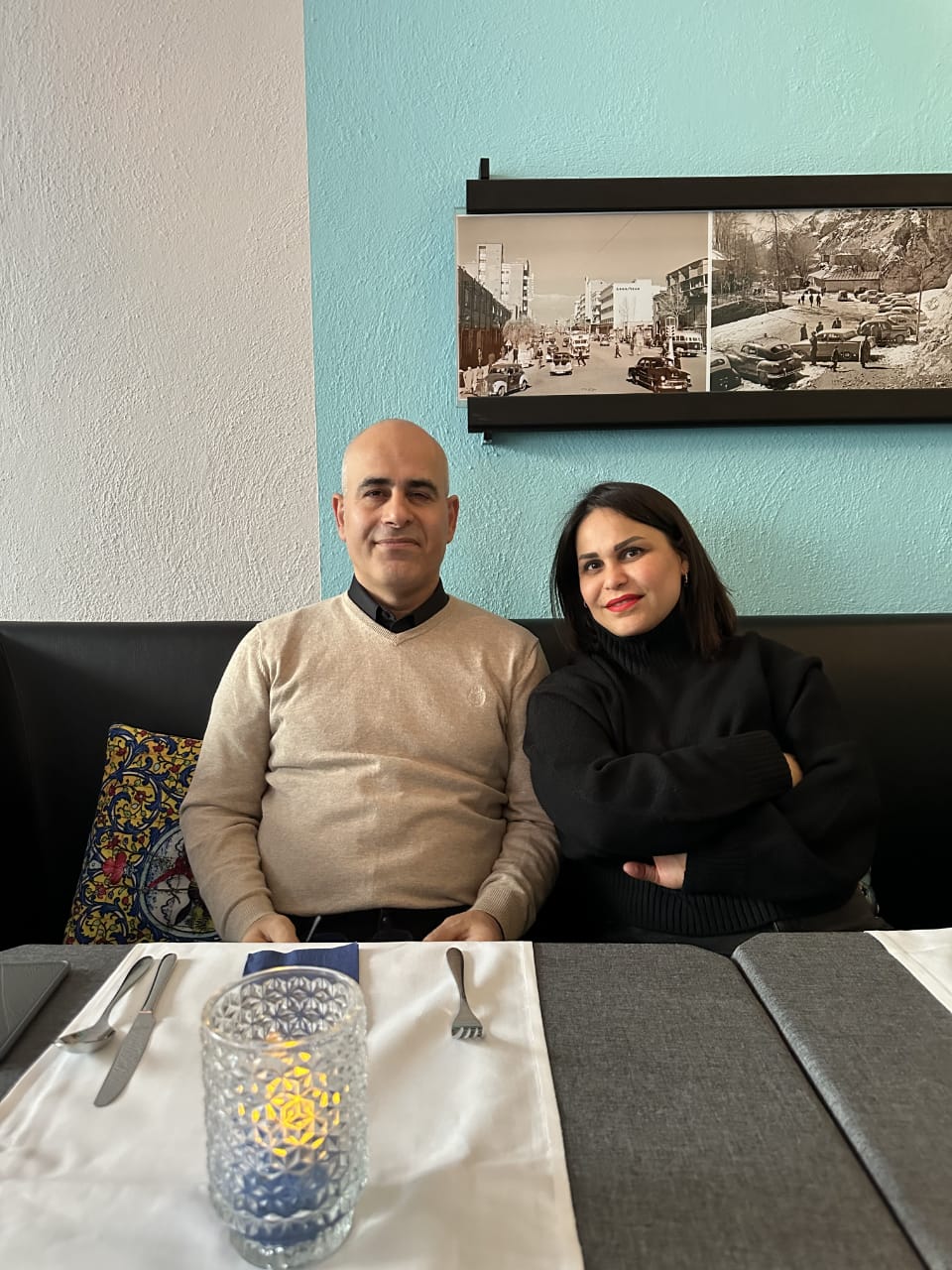




Ali Delpasand
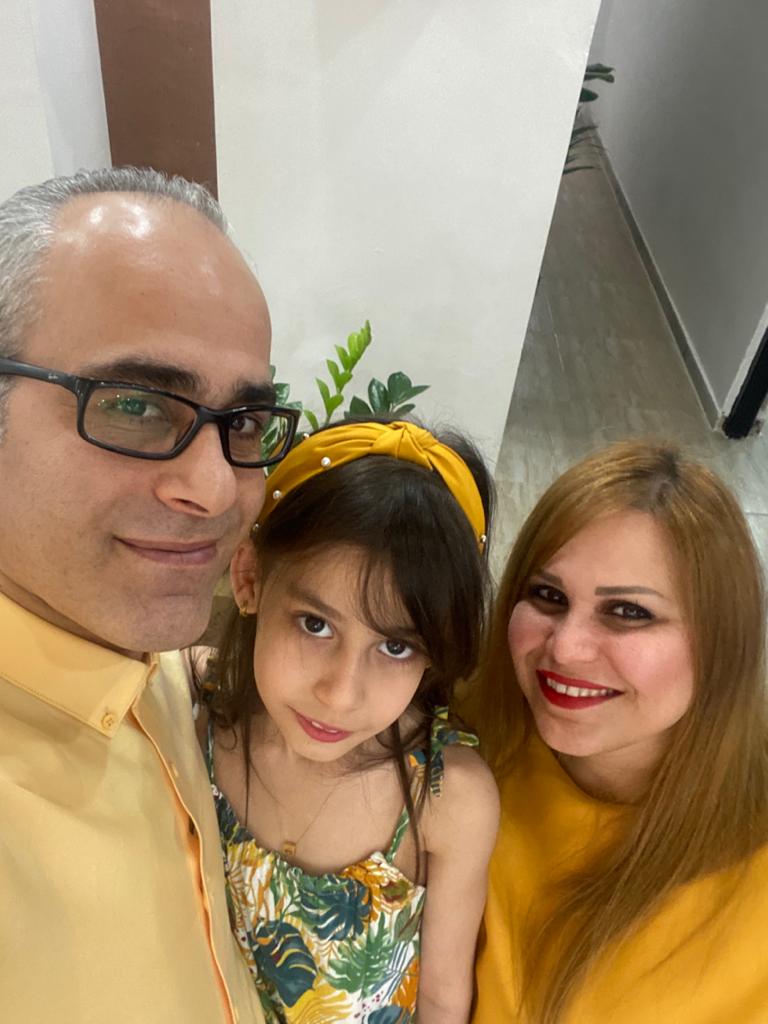
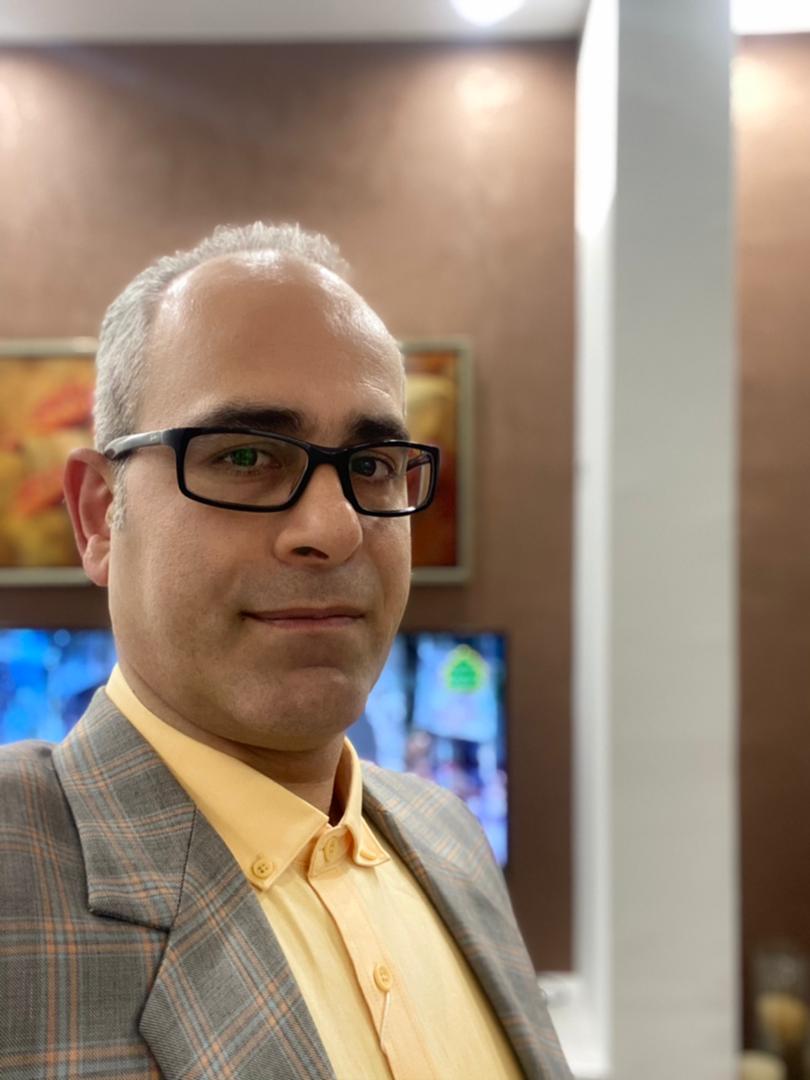
Ali, 43 years old at the time of his injury, is a father and a pharmaceutical salesman. He has lived in the Gilan Province in northwestern Iran for most of his life.
Ali worked his whole life to stand on his own two feet. He started working when he was 11 or 12. He worked hard and achieved his goals: a good job, a house, and a family.
“We had finally managed to save enough money to buy a house and settle down. But they didn’t even give us the chance to live in it. It took a whole year of renovations to make it our dream home, and we had to give it all up.”
Ali and his wife had been politically active since before the Woman, Life, Freedom protests. They were mainly active on social media, such as in Telegram groups, but they had also attended some protests.
Ali believes that the death of Mahsa “Jina” Amini was a turning point for the people of Iran. It inspired them to courageously take to the streets and express their protest.
“In all these years of the regime’s rule, all we have seen is oppression and cruelty. People have struggled just to survive. No proper livelihood, no justice—nothing. Our people are kind, but they are far too patient.”
Ali felt that, despite working so hard, his living conditions seemed to only get harder and harder. He is very aware that even in all the hardship he was experiencing, he was still relatively well-off compared to others who were in much harder conditions.
“The suffering was too much, and I endured it for years. But it had reached a point where it was no longer bearable.”
Ali believes that this time the protests were more influential because the middle and upper classes had reached their limit and knew it was time to do something. Unfortunately, the brutality of the regime, the fear and oppression they impose on the people, caused the revolutionary spirit to be suppressed.
On the day that Ali was injured, November 15, 2022, he finished work around 6 PM, a little later than he had expected, as a meeting had run late. Typically, the protests started around 6:30 or 7 PM, when it was dark and most people had finished work. Ali left work and went to pick up his wife and daughter to go home.
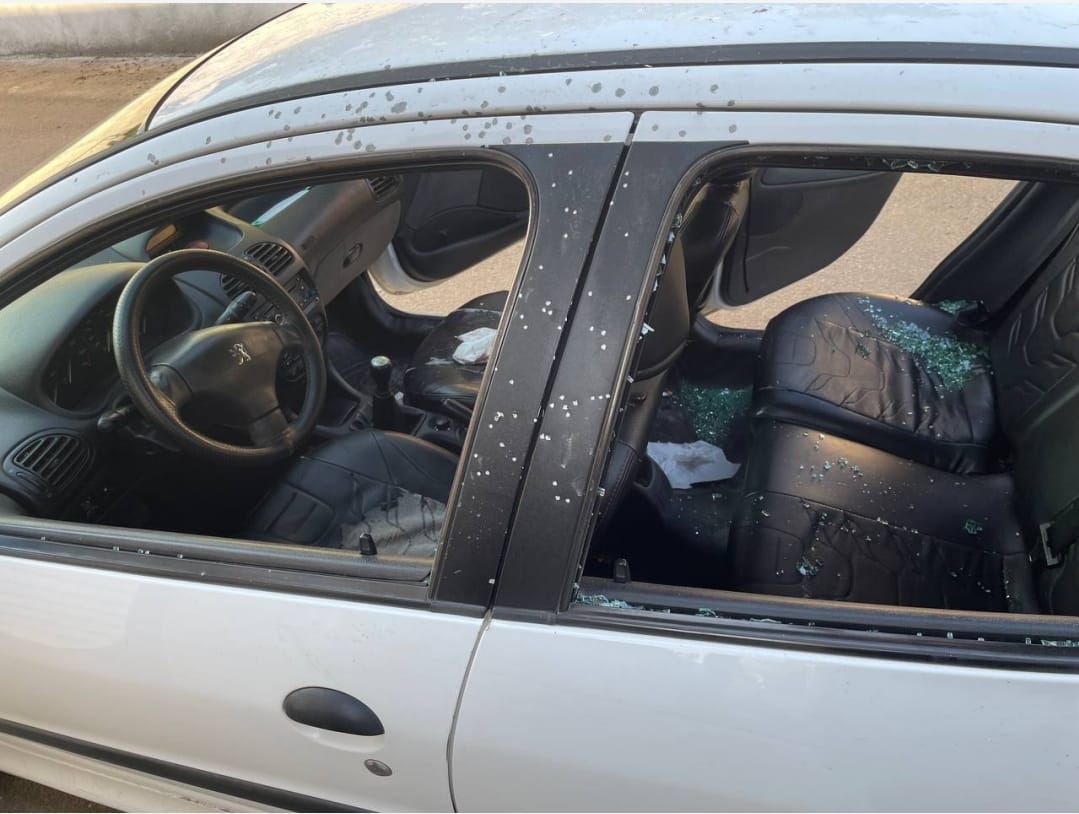
By the time they were heading home, protests had already started. Worried for his daughter’s safety, Ali didn’t want to get out of the car, but he recalls that as they were stuck in traffic, they were honking the horn and chanting like others around them.
Stuck in the deadlock traffic of the protests, Ali thought they would be safe in the car, surrounded by civilian cars.
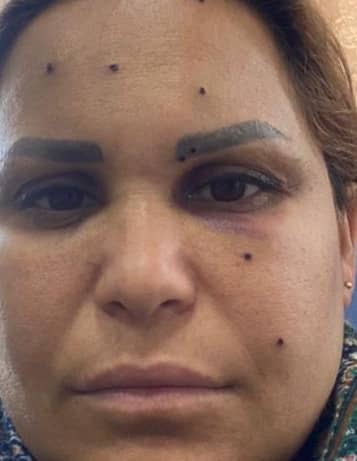
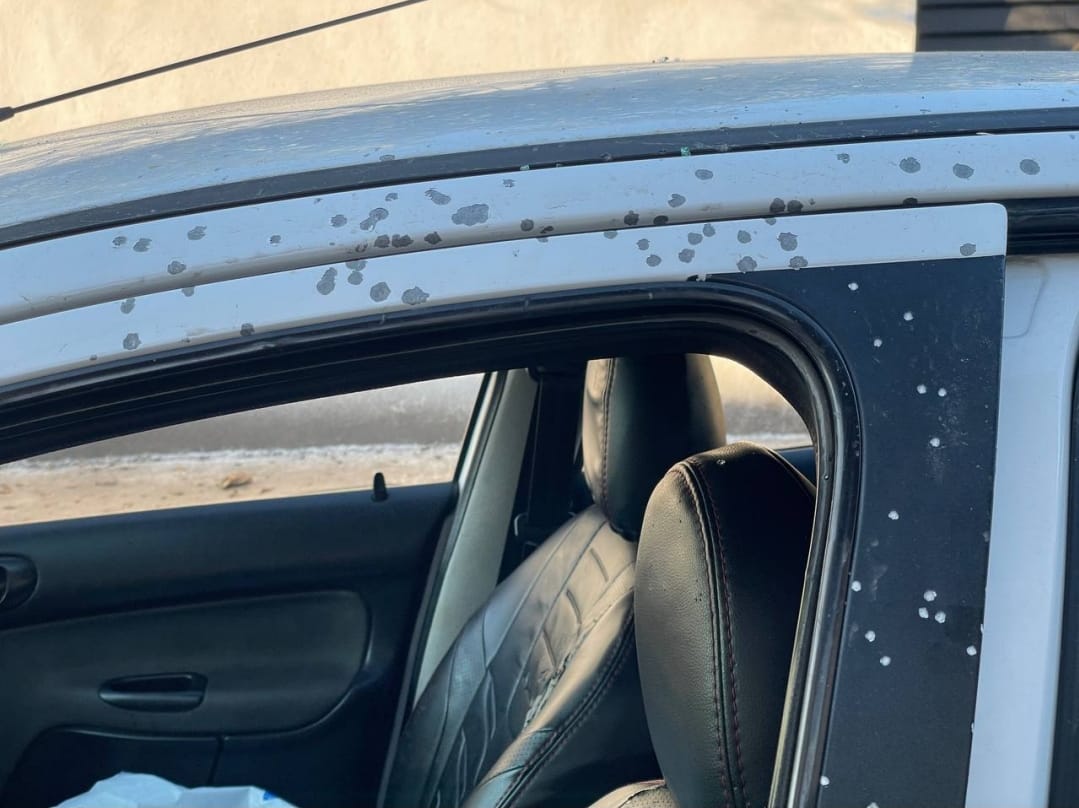
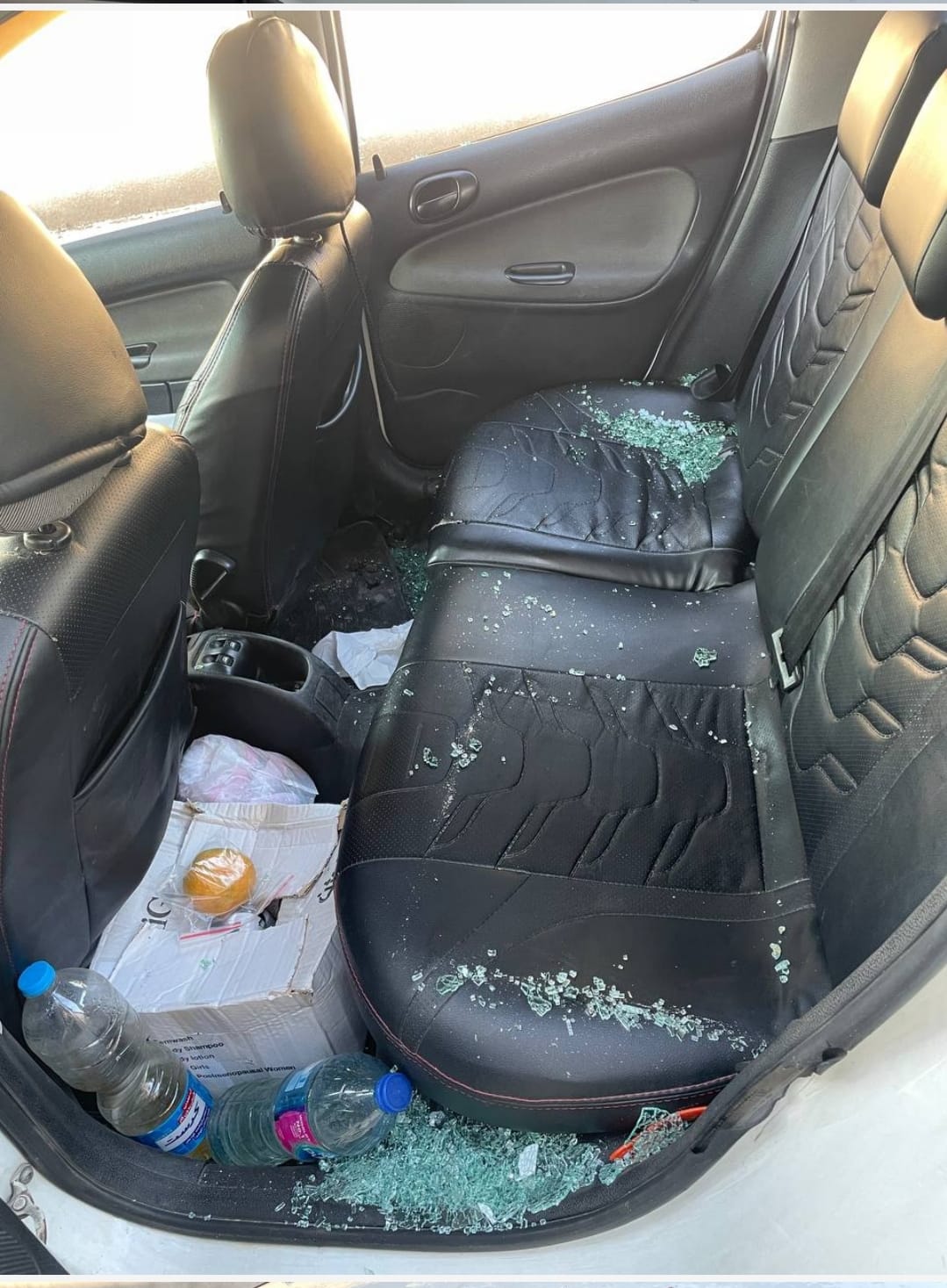
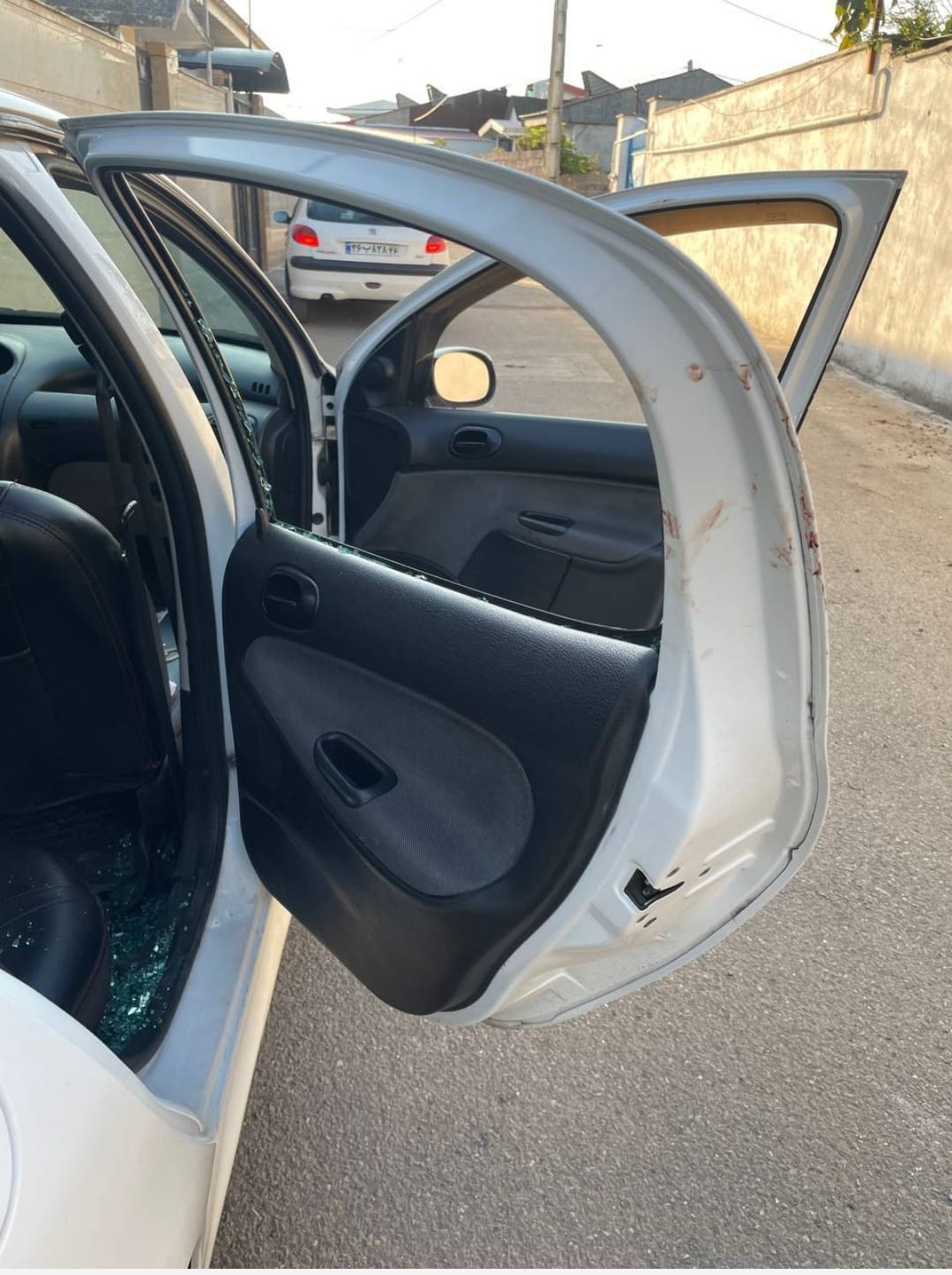
Unfortunately, this did not keep Ali and his family safe. An officer fired a shotgun into his car multiple times, injuring Ali and his wife. Luckily, their daughter was uninjured.
Upon being shot, Ali lost consciousness. His wife, also bleeding, at first didn’t realize the severity of the situation, but when she saw her husband slumped over in his seat, she realized that they needed urgent help.
Ali’s wife started calling for help, and luckily, those around them provided assistance, helping to get Ali to a hospital.
As they were driving to the hospital, Ali’s wife became aware of a white car following them. She didn’t recognize those in the car. They attempted to take Ali, claiming that they had connections that would be able to help him get treatment, but Ali’s wife did not believe them and insisted on taking him herself.
Eventually, as a crowd began to gather, the white car sped away.
Luckily, due to Ali being a pharmaceutical salesman, he had connections in the medical community, and when the hospitals refused to admit him, his wife was able to reach out to connections for urgent help.
“It was truly an honor to witness both the elderly and the youth in the streets, shouting for freedom.”
Ali was proud of the people and their fearless courage, standing unarmed against the forces of the Islamic Republic, united and fighting for their rights.
The doctors did their best to help Ali, but unfortunately, there was nothing they could do for his eye. They performed tests and operations to stabilize him, and then he was referred to Farabi Eye Hospital in Tehran.
“It was when I got to Farabi Hospital that I realized the gravity of the situation.”
On seeing the state of the hospital in Tehran, Ali started to grasp the gravity of the injuries that the people of Iran were being left with.
“I believe that there were maybe a thousand people there with eye injuries. I saw them with my own eyes.”
After multiple operations, Ali was told that his eye would never be able to see again. Unsatisfied with this response, Ali and his wife decided they would have to leave Iran to seek better medical attention.
Ali sold all of his possessions, for which he had worked so hard, and with his family went to Turkey, where they were in limbo for a few months before getting their visa and moving to Germany.
“Without my family’s support, none of it would have been possible.”
To date, no one has been held accountable for the injury and trauma that Ali’s family has suffered, and Ali feels little hope in the efficacy of filing a legal complaint.
When the wave of protests broke out, Ali had expected that the people would take Iran back.
“I had thought that we would reclaim our country, that we would finally be free.”
Ali’s injury changed his life completely—all of his plans for the future, all of the things that he had built. Now he is starting over in Germany.
“My daughter had started back at school before we’d left, but the chemical attacks against the schools started, and we had to pull her out. Staying had become impossible. I didn’t want my daughter to grow up in that environment.”
We asked Ali if he had any life goals.
“I have always wanted to be part of a society where people can speak freely, where the right to protest is respected, and where our demands are heard.”
He questions deeply why the 1979 revolution took place at all, and why his generation and all those after now have had to live under such oppression. He mostly worries for the younger generations inside Iran who have to fight even harder; with hyperinflation and the economic situation getting worse every single day, their goals become further and further out of reach.
“Every day inflation rises, and people lose hope.”
But Ali has no regrets for what happened to him. He calls for unity and solidarity both within Iran and from the outside community.
“Only through unity and solidarity can we put an end to all our problems.”
To the others with eye injuries like him, Ali says:
“We are stronger now than we have ever been. With the hope we carry, we will 100% overcome oppression and achieve our goal—a free and prosperous Iran.”
– Ali Delpasand
 Eyes for Freedom | Cheshm Baraye Azadi | چشم برای آزادی